Homestays on the Peaks of the Balkans trail: A guide
Most hikers researching the Peaks of the Balkans trail expect rugged camping or sparse mountain huts. The reality surprises them. A carefully developed network of family-run homestays transforms this 192-kilometer route through Albania, Kosovo, and Montenegro into a cultural journey as much as a physical challenge. These accommodations anchor the trail’s identity, offering comfort, authentic meals, and direct connection to mountain communities. Understanding how homestays shape the hiking experience helps you plan a richer adventure while supporting sustainable tourism that keeps remote villages alive.
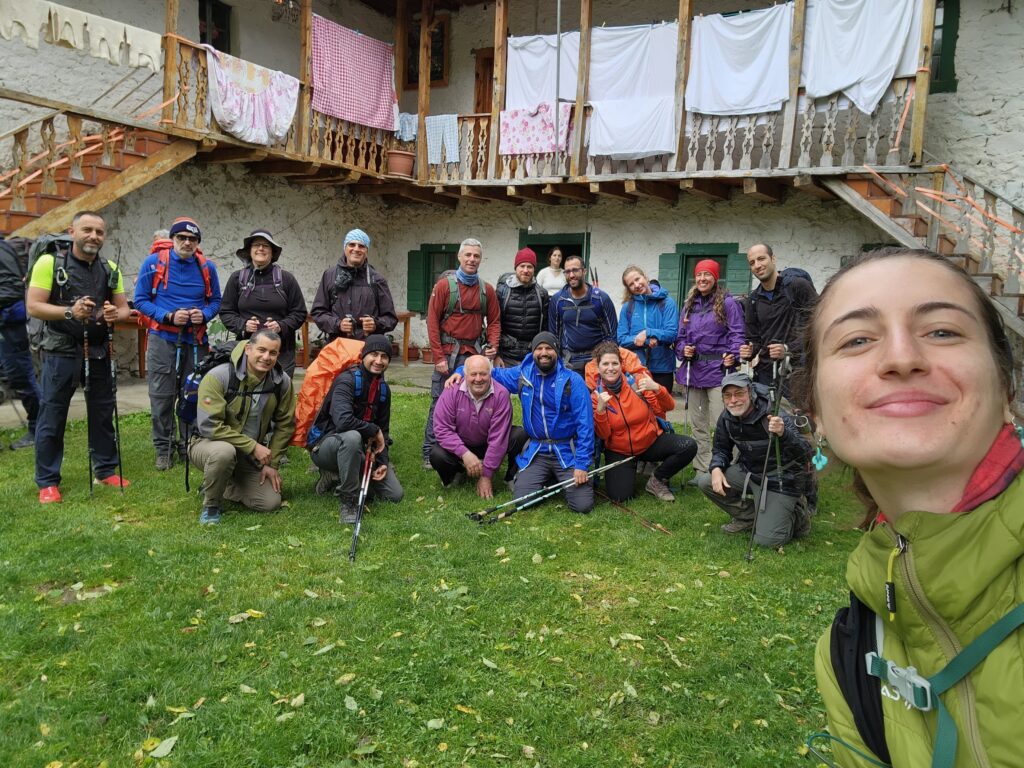
Homestays serve as the main lodging along the Peaks of the Balkans, replacing camping or huts and linking hikers with local families.
Cultural immersion through hospitality
Staying with families provides immersive meals, conversations, and insights into regional traditions.
Meals and value included
Full board includes hearty breakfasts, packed lunches, and multi course dinners, reducing meal planning stress and ensuring nourishment.
Advance booking essential
Reserve June to September at least two months ahead due to limited capacity and 10 to 20 guests per property.
Homestays as the backbone accommodation on the Peaks of the Balkans trail
Homestays and guesthouses serve as primary accommodation along the Peaks of the Balkans trail, forming a hut-to-hut network in remote villages across Albania, Kosovo, and Montenegro. This system eliminates the need for camping equipment while connecting hikers with local families at the end of each day’s trek. The concept mirrors European alpine hut systems but replaces impersonal lodges with intimate family homes.
Typical accommodations include family-run establishments charging €25-40 per night with meals included. Notable examples include Shqiponja Guesthouse in Drelaj, Lojza in Milishevc, Leonardi in Dobërdol, and Eco Hrid near Plav. Each offers clean private or shared rooms, hot showers (usually solar-heated), and communal dining areas where guests share meals with hosts and fellow hikers.
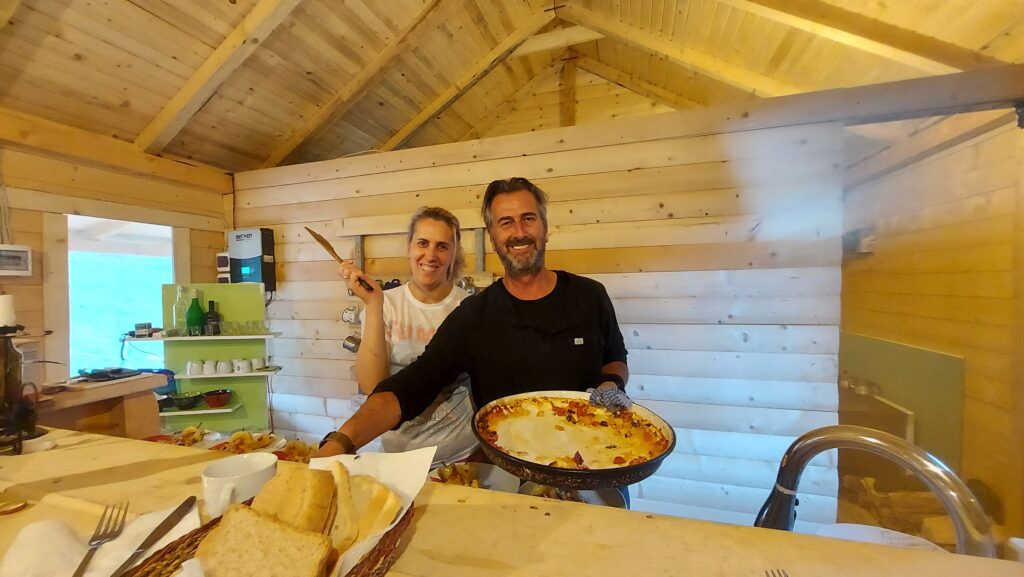
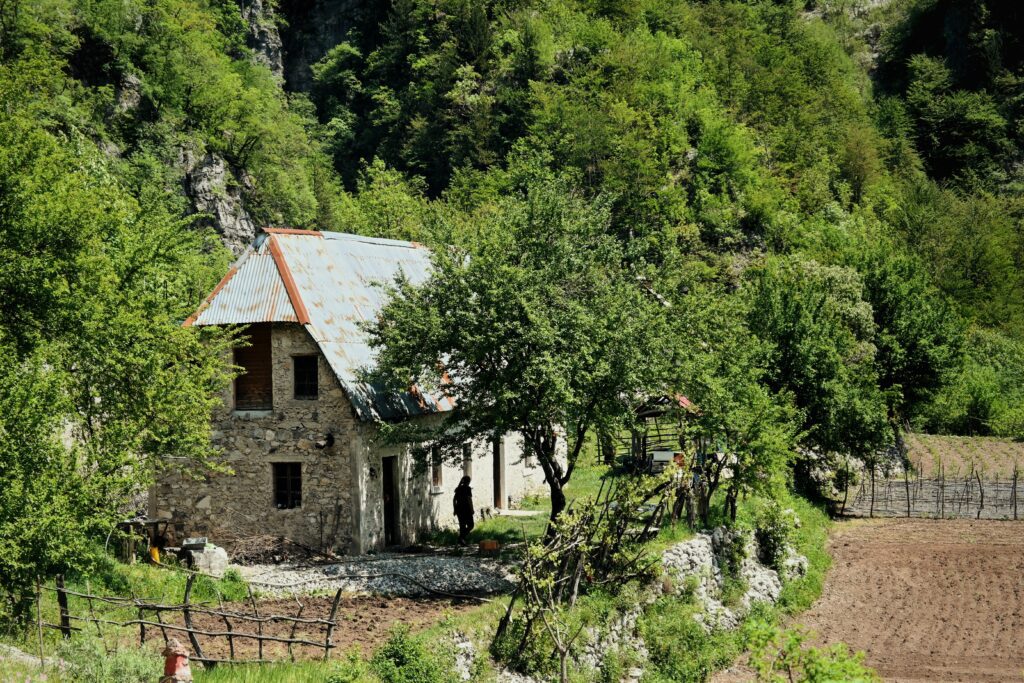
Guest house Lojza, Zeke, and his late wife are proud of their cooking.
Homestay
Location
Nightly rate (EUR)
Meals included
Special feature
Shqiponja
דרלאג'
30-35
Full board
Mountain views, garden seating
Lojza
מילישבצ
28-32
Full board
Traditional stone construction
Leonardi
Dobërdol, Kosovo
25-30
Full board
Family-style dining, homemade raki
Eco Hrid
Babino Polje, Montenegro
35-40
Full board
Organic garden produce
Amenities remain basic but sufficient. Expect comfortable beds with thick blankets, shared bathrooms with reliable hot water, and charging stations for devices. WiFi exists in some locations but remains unreliable, which most hikers consider a feature rather than a bug. The family atmosphere creates natural social environments where trail stories flow as freely as the homemade rakija.
The value proposition extends beyond shelter. Full board typically includes hearty breakfasts with bread, cheese, eggs, and coffee, packed lunches for the trail, and multi-course dinners featuring local specialties. This arrangement eliminates food planning stress while guaranteeing proper nutrition for demanding hiking days. Compare this to wilderness camping, which requires carrying food, cooking equipment, and waste management supplies while missing cultural connection entirely.
Pro Tip: Book accommodations for June through September at least two months ahead. Most homestays host only 10 to 20 guests, and popular self-guided tours fill quickly as trail popularity grows among European hikers seeking alternatives to crowded alpine routes.
Cultural immersion and local hospitality through homestays
Staying with families transforms the Peaks of the Balkans from a hiking challenge into a cultural education. Homestays enable immersive experiences through family hospitality, homemade meals showcasing local cuisine, and interactions with hosts sharing traditions. You don’t just pass through mountain villages. You sit at family tables, learn regional history, and understand how these communities maintain identity despite geographic isolation.
Traditional meals anchor the cultural exchange. Dinners feature regional dishes like flia (layered pancake), tavë kosi (baked lamb with yogurt), and fresh trout from mountain streams. Hosts prepare everything from scratch using garden vegetables, local dairy, and meat from village livestock. The ritual of sharing homemade raki, a fruit brandy distilled by nearly every family, opens conversations that bridge language barriers. These aren’t restaurant transactions but genuine hospitality rooted in Balkan traditions of treating guests as honored visitors.
Family atmospheres create organic opportunities for cultural learning. Hosts explain how their grandparents built stone homes without modern tools, describe seasonal livestock migrations to high pastures, and share stories of surviving communist-era isolation. Children practice English with hikers while parents demonstrate traditional crafts like wool spinning or cheese making. The exchanges feel natural because they emerge from shared living spaces rather than staged tourist performances.
Cultural activities you might experience include:
Participating in evening milking routines and watching cheese production
Learning basic Albanian, Montenegrin, or Serbian phrases over dinner
Hearing firsthand accounts of the region’s complex 20th-century history
Joining family celebrations if your visit coincides with local festivals
Exploring village architecture and understanding construction techniques adapted to harsh winters
“The homestays weren’t just places to sleep. They were windows into how mountain communities preserve traditions while adapting to tourism. Sharing raki with a host whose grandfather fought in World War II, hearing his daughter’s dreams of studying in Pristina, watching his wife bake bread in a wood-fired oven—that’s what made the Peaks of the Balkans unforgettable, not just the summits.”
This depth of interaction distinguishes the trail from commercialized trekking routes. You gain context for the landscapes you’re hiking through. The mountains stop being scenic backdrops and become home to people whose resilience and warmth challenge stereotypes about the Balkans. Most hikers report these human connections as their most valued memories, often maintaining contact with hosts long after returning home.
Explore additional guesthouse options to find accommodations matching your preferences for family size, location, and amenities while maintaining authentic cultural experiences.
Sustainable tourism and economic benefits fostered by homestays
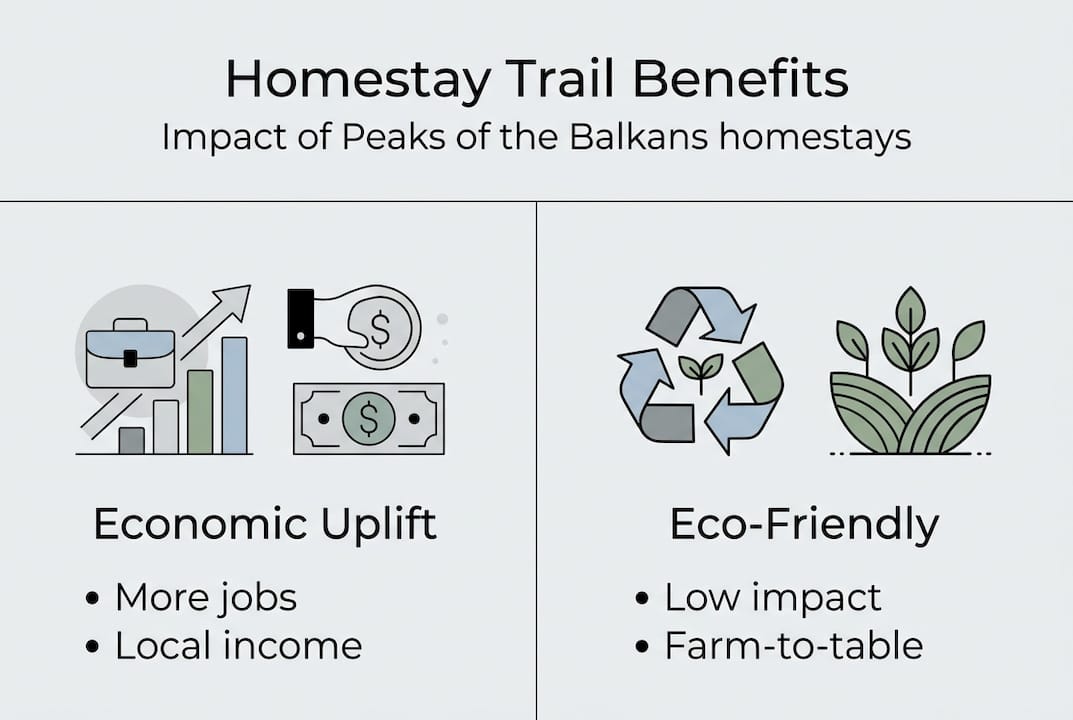
The homestay network represents intentional sustainable development rather than accidental tourism growth. Homestays promote sustainable tourism by distributing income across multiple villages, reducing rural exodus, creating jobs, and minimizing environmental impact through a low-volume, hut-to-hut model. The trail was created between 2010 and 2012 as a peace and sustainable development project, deliberately designed to keep economic benefits local.
How homestays generate sustainable economic impact:
Direct income reaches families rather than external hotel chains or tour operators
Food purchases support local farmers, shepherds, and small producers
Employment opportunities encourage young people to remain in mountain villages
Seasonal income supplements traditional agriculture and livestock raising
Women gain economic independence through guesthouse management roles
Indicator
Before trail (2010)
After establishment (2018)
Change
Guesthouses in Theth
3
22
+633%
Year-round village residents in Valbona
180
340
+89%
Average household income (Rugova villages, EUR/month)
180
420
+133%
Seasonal employment positions
15
127
+747%
The environmental advantages prove equally significant. Small-scale homestays avoid the ecological damage caused by large resort construction. No forests cleared for parking lots, no streams diverted for swimming pools, no diesel generators running constantly. Waste remains manageable because volume stays low. Most hosts maintain organic gardens and compost food scraps, practices they followed long before tourism arrived.
The hut-to-hut model naturally limits visitor numbers. When accommodations fill, the trail self-regulates. This prevents the overcrowding destroying popular routes like the Tour du Mont Blanc or Inca Trail. Hikers spread across multiple villages rather than concentrating in single locations, distributing both economic benefits and environmental impact.
Real examples demonstrate measurable results. Rugova Valley guesthouses helped reduce poverty rates by providing income alternatives when traditional shepherding became economically unviable. Theth’s population stabilized after decades of decline as young families found viable livelihoods in tourism. Villages invested tourism income in school renovations, medical clinics, and road improvements benefiting residents year-round.
Pro Tip: Choose homestays over any emerging hotel developments to ensure your spending directly supports mountain families and reinforces the sustainable tourism model that makes this trail special.
Partnering with מדריכים מקומיים further amplifies economic benefits by creating additional employment while enriching your hiking experience with expert knowledge of routes, weather patterns, and cultural context.
Practical tips for booking and experiencing homestays on the Peaks of the Balkans trail
Securing quality homestay experiences requires planning, especially during peak months. Advance booking proves essential in peak season (June through September) due to small capacity, with stays typically including three meals, border permits, and GPX navigation support. Understanding the booking process and homestay etiquette ensures smooth logistics and respectful cultural exchange.
Key steps for securing homestay bookings:
Research accommodations three to four months before your planned hike
Contact guesthouses directly via email or WhatsApp when possible
Consider using established local agencies for complex multi-day itineraries
Confirm whether rates include all three meals and what dietary restrictions they can accommodate
Verify cancellation policies, as small operators often lack flexibility
Request detailed directions or GPS coordinates, as addresses prove meaningless in remote villages
Meal timing follows practical hiking schedules. Breakfast typically serves between 6:30 and 8:00 AM, allowing early starts for long trail days. Hosts pack lunches with bread, cheese, meat, fruit, and snacks, usually providing more food than you’ll eat. Dinner begins around 7:00 PM, giving you time to shower, rest, and socialize before the communal meal. Respect these schedules, as hosts prepare food around expected arrival times.
Combining accommodation with necessary permits streamlines logistics. The trail crosses international borders requiring specific documentation. Many homestay owners help coordinate border permits or connect you with local agencies handling paperwork. Download GPX files before starting, as mobile service remains spotty. Some hosts offer printed maps and trail advice during breakfast.
Packing and etiquette considerations:
Bring indoor shoes or thick socks, as mountain homes require removing boots at entrances
Pack a headlamp for nighttime bathroom trips in homes with outdoor facilities
Carry small gifts like quality chocolate or coffee from your home country as appreciation tokens
Learn basic greetings in Albanian, Montenegrin, or Serbian to show respect
Offer to help with meal cleanup, though hosts usually decline
Ask permission before photographing family members or home interiors
Respect quiet hours after 10:00 PM in shared accommodations
Tip 5 to 10 euros for exceptional hospitality, though not expected
Engage authentically with hosts by asking about their lives, village history, and recommendations for your remaining trail days. Most appreciate genuine curiosity about their culture and daily routines. Share stories about your home and travels. These conversations create the memorable moments that define the Peaks of the Balkans experience beyond physical hiking achievements.
Pro Tip: Use trusted local agencies like Zbulo for comprehensive bookings when planning complex itineraries. They maintain established relationships with quality homestays and handle logistics including permits, luggage transfers, and emergency support, letting you focus on enjoying the trail.
Explore detailed self-guided hiking tips for additional planning resources covering route variations, seasonal considerations, and packing lists tailored to homestay-based trekking.
Plan your Peaks of the Balkans adventure with trusted resources
You’ve learned how homestays transform the Peaks of the Balkans from a hiking route into a cultural journey. Ready to experience this unique trail yourself? The official website offers comprehensive planning tools to turn your research into reality.
Explore detailed information about טיולי הליכה בפסגות הבלקן including itinerary options, seasonal advice, and booking procedures. Review complete guesthouse options with photos, amenities, and contact details for each accommodation along the route. Access the latest permits guide for 2026 to understand border crossing requirements and documentation procedures.
These resources consolidate years of trail expertise, helping you plan confidently whether you prefer fully supported tours or independent trekking. The site connects you with vetted local operators who maintain the quality standards and community relationships that make homestay experiences authentic and rewarding.
What is the role of homestays in the Peaks of the Balkans trail?
What exactly are homestays on the Peaks of the Balkans trail?
Homestays are family-run guesthouses in remote mountain villages serving as primary accommodations along the trail. They provide private or shared rooms, hot meals, and cultural interaction with local families who’ve converted portions of their homes into small lodges.
How do I book homestays and what’s included?
Book directly via email or WhatsApp two to three months ahead for peak season, or use local agencies for multi-day itineraries. Rates of €25 to 40 per night typically include breakfast, packed lunch, and dinner, with some offering laundry service and trail advice.
What cultural experiences can I expect at homestays?
You’ll share family meals featuring traditional dishes, taste homemade raki, hear local history and stories, and observe daily routines like cheese making or bread baking. These authentic interactions provide insight into mountain life that hotels can’t replicate.
How do homestays support sustainable tourism?
Income goes directly to village families rather than external corporations, encouraging residents to remain in mountain communities. The small-scale model limits environmental impact while funding local infrastructure improvements that benefit year-round residents.
What should I know about homestay etiquette?
Remove boots at entrances, respect meal schedules, ask permission before photographing, learn basic local greetings, and engage respectfully with hosts about their culture. Small gifts from your home country show appreciation, though tipping remains optional.
Can homestays accommodate dietary restrictions?
Most hosts accommodate vegetarian requests with advance notice, preparing meals emphasizing dairy, eggs, and vegetables. Vegan and complex allergy requirements prove more challenging in remote areas with limited ingredient access, so communicate needs clearly when booking.
אנו משתמשים בטכנולוגיות כמו עוגיות כדי לאחסן ו/או לגשת למידע על המכשיר. אנו עושים זאת כדי לשפר את חווית הגלישה וכדי להציג מודעות (שאינן) מותאמות אישית. הסכמה לטכנולוגיות אלו תאפשר לנו לעבד נתונים כגון התנהגות גלישה או מזהים ייחודיים באתר זה. אי הסכמה או ביטול הסכמה עלולים להשפיע לרעה על תכונות ופונקציות מסוימות.
פונקציונלי
תמיד פעיל
האחסון או הגישה הטכניים נחוצים בהחלט למטרה הלגיטימית לאפשר שימוש בשירות ספציפי המבוקש במפורש על ידי המנוי או המשתמש, או למטרה הבלעדית של ביצוע שידור תקשורת ברשת תקשורת אלקטרונית.
העדפות
האחסון או הגישה הטכניים נחוצים למטרה הלגיטימית של אחסון העדפות שאינן מתבקשות על ידי המנוי או המשתמש.
סטטיסטיקה
האחסון הטכני או הגישה המשמשים אך ורק למטרות סטטיסטיות.האחסון הטכני או הגישה המשמשים אך ורק למטרות סטטיסטיות אנונימיות. ללא זימון, ציות מרצון מצד ספק שירותי האינטרנט שלך, או רשומות נוספות מצד שלישי, בדרך כלל לא ניתן להשתמש במידע המאוחסן או מאוחזר למטרה זו בלבד כדי לזהות אותך.
שיווק
האחסון הטכני או הגישה נדרשים ליצירת פרופילי משתמש לשליחת פרסום, או למעקב אחר המשתמש באתר או במספר אתרים למטרות שיווק דומות.
 The hut-to-hut model naturally limits visitor numbers. When accommodations fill, the trail self-regulates. This prevents the overcrowding destroying popular routes like the Tour du Mont Blanc or Inca Trail. Hikers spread across multiple villages rather than concentrating in single locations, distributing both economic benefits and environmental impact.
Real examples demonstrate measurable results. Rugova Valley guesthouses helped reduce poverty rates by providing income alternatives when traditional shepherding became economically unviable. Theth’s population stabilized after decades of decline as young families found viable livelihoods in tourism. Villages invested tourism income in school renovations, medical clinics, and road improvements benefiting residents year-round.
Pro Tip: Choose homestays over any emerging hotel developments to ensure your spending directly supports mountain families and reinforces the sustainable tourism model that makes this trail special.
Partnering with מדריכים מקומיים further amplifies economic benefits by creating additional employment while enriching your hiking experience with expert knowledge of routes, weather patterns, and cultural context.
The hut-to-hut model naturally limits visitor numbers. When accommodations fill, the trail self-regulates. This prevents the overcrowding destroying popular routes like the Tour du Mont Blanc or Inca Trail. Hikers spread across multiple villages rather than concentrating in single locations, distributing both economic benefits and environmental impact.
Real examples demonstrate measurable results. Rugova Valley guesthouses helped reduce poverty rates by providing income alternatives when traditional shepherding became economically unviable. Theth’s population stabilized after decades of decline as young families found viable livelihoods in tourism. Villages invested tourism income in school renovations, medical clinics, and road improvements benefiting residents year-round.
Pro Tip: Choose homestays over any emerging hotel developments to ensure your spending directly supports mountain families and reinforces the sustainable tourism model that makes this trail special.
Partnering with מדריכים מקומיים further amplifies economic benefits by creating additional employment while enriching your hiking experience with expert knowledge of routes, weather patterns, and cultural context.
 Explore detailed information about טיולי הליכה בפסגות הבלקן including itinerary options, seasonal advice, and booking procedures. Review complete guesthouse options with photos, amenities, and contact details for each accommodation along the route. Access the latest permits guide for 2026 to understand border crossing requirements and documentation procedures.
These resources consolidate years of trail expertise, helping you plan confidently whether you prefer fully supported tours or independent trekking. The site connects you with vetted local operators who maintain the quality standards and community relationships that make homestay experiences authentic and rewarding.
Explore detailed information about טיולי הליכה בפסגות הבלקן including itinerary options, seasonal advice, and booking procedures. Review complete guesthouse options with photos, amenities, and contact details for each accommodation along the route. Access the latest permits guide for 2026 to understand border crossing requirements and documentation procedures.
These resources consolidate years of trail expertise, helping you plan confidently whether you prefer fully supported tours or independent trekking. The site connects you with vetted local operators who maintain the quality standards and community relationships that make homestay experiences authentic and rewarding.
 Hebrew
  English
  German
  French
  Dutch
Dutch