Discover Group Trekking: Shared Adventure, Safety, and Connection
TL;DR:
- Group trekking offers a safer, more social, and rewarding multi-day outdoor experience.
- Effective organization, roles, and safety practices are essential for successful group trekking.
- Guided options suit beginners and families, while self-guided treks appeal to experienced hikers seeking flexibility.
Most people picture hiking as a solitary escape. Just you, the trail, and the silence. But group trekking tells a completely different story. Multi-day hiking in organized groups through rugged, scenic terrain brings a whole new dimension to outdoor adventure. It is safer, more social, and often more rewarding than going it alone. Whether you are an adult looking for a challenge or a family wanting a shared experience, group trekking opens up some of the world’s most breathtaking routes, including the legendary Peaks of the Balkans. This guide covers everything you need to know before your first group trek.
Inhaltsverzeichnis
- What is group trekking?
- How group trekking works: Structure, roles, and logistics
- Safety, group dynamics, and sustainability on the trail
- Guided vs. self-guided group trekking: Which is right for you?
- A fresh take: Why group trekking is more than a hike
- Ready to experience group trekking in the Balkans?
- Häufig gestellte Fragen
Wichtige Erkenntnisse
| Punkt | Details |
|---|---|
| Shared adventure | Group trekking transforms hiking into a rich, social experience full of connection and teamwork. |
| Safety benefits | Traveling in groups increases safety, support, and emergency preparedness in remote environments. |
| Flexible Optionen | Both guided and self-guided group treks are available, letting you choose the style that fits best. |
| Leave No Trace | Minimizing environmental impact is crucial, especially with larger groups trekking through sensitive areas. |
What is group trekking?
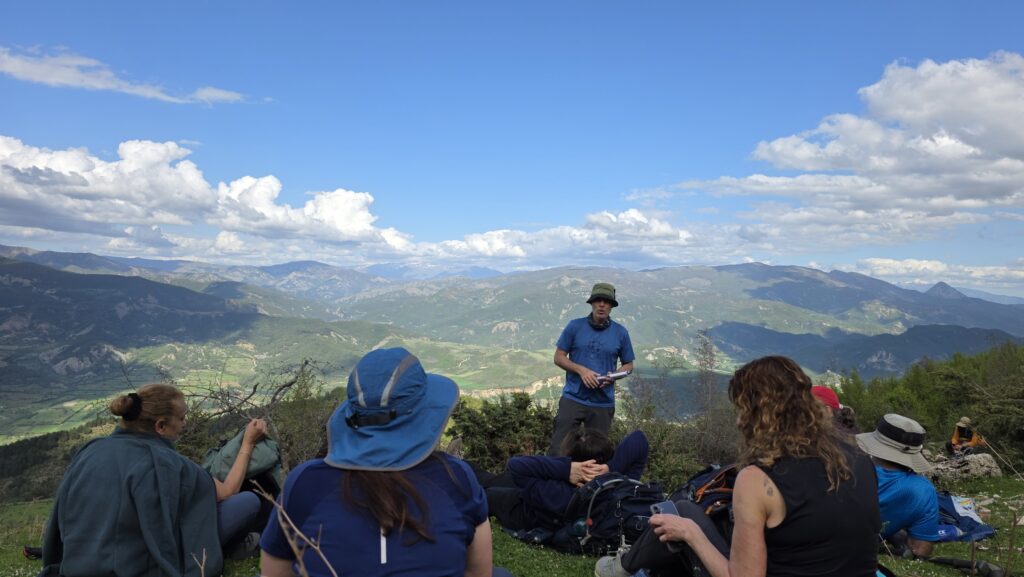
Group trekking is not just hiking with friends. It is an organized, multi-day outdoor experience designed to move a team of people through remote or scenic terrain together. According to trail organizations, organized groups of 3 to 16 participants trek through tracks like the Peaks of the Balkans, sharing the physical challenge and the journey.
The core appeal is simple: shared adventure. You push through difficult passes together, celebrate viewpoints together, and support each other when the trail gets tough. That shared experience builds something that solo hiking rarely does, which is genuine connection.
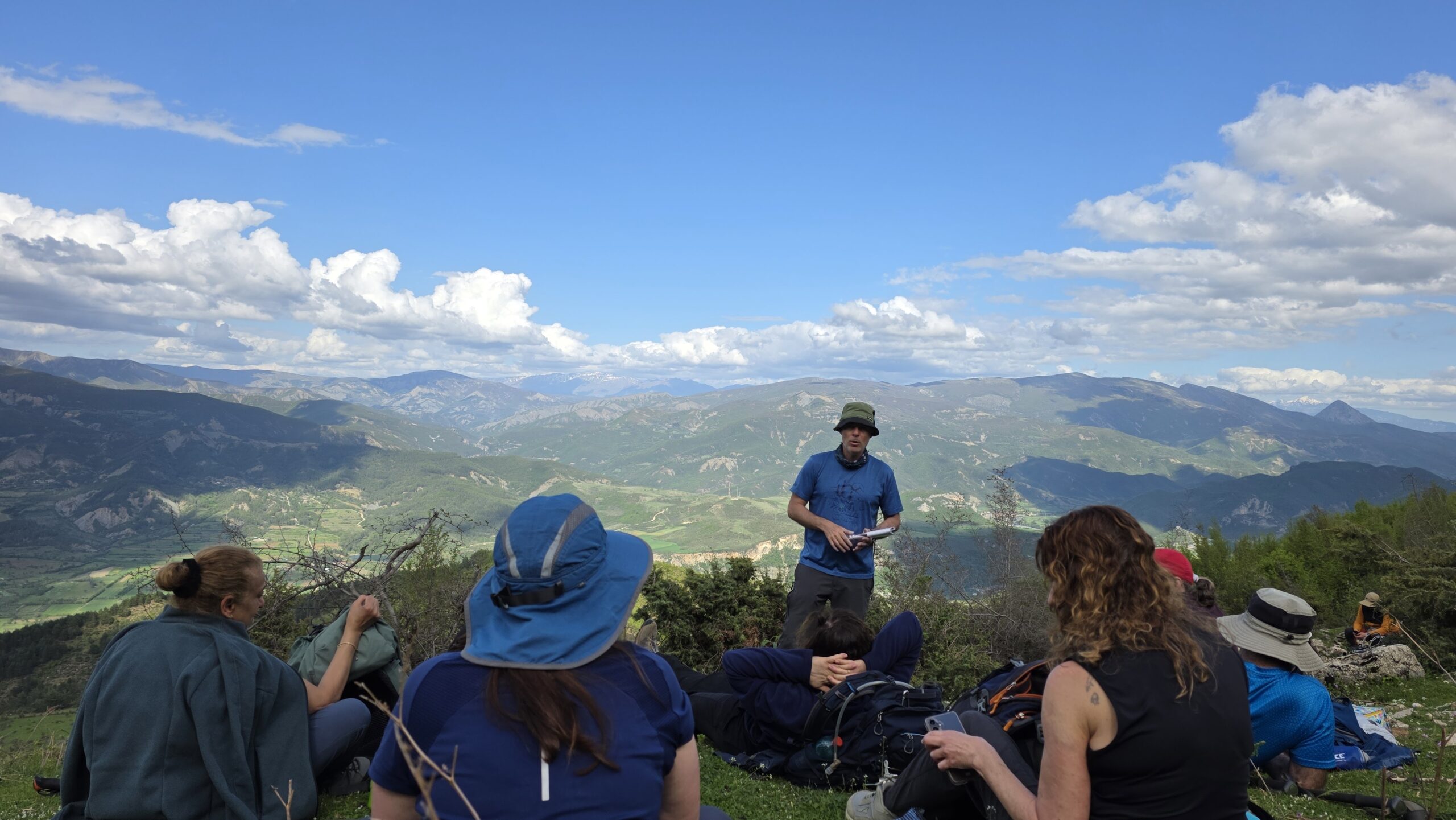
Group trekking is growing fast among adults aged 35 to 55 and families looking for meaningful outdoor experiences. Trails like the Peaks of the Balkans in the Western Balkans and classic Nepal routes have become favorites. You can read a full breakdown on the Peaks of the Balkans overview to understand why this trail has captured the hearts of so many trekkers worldwide.
Here is a quick look at what defines a group trek:
| Funktion | Details |
|---|---|
| Group size | Typically 3 to 16 participants |
| Duration | 3 to 14 days |
| Terrain | Remote, rugged, or scenic mountain trails |
| Leadership | Guided or self-guided |
| Purpose | Adventure, social connection, challenge |
What makes group trekking different from a regular hiking day trip?
- Multi-day commitment: You are on the trail for several days, not a few hours.
- Shared logistics: Meals, campsites, and gear are planned and often shared.
- Social structure: Roles and responsibilities keep everyone safe and on schedule.
- Guided support: Many trips include experienced guides who know the terrain.
- Scenic destinations: Routes often pass through areas inaccessible by road.
If you prefer a more independent experience, there are also self-guided trekking options that give you control while still covering the same incredible landscapes. But for most first-time group trekkers, an organized format is the smartest starting point.
How group trekking works: Structure, roles, and logistics
Understanding the internal workings of a group trek explains why these journeys feel so different from casual hiking. Every successful trek runs on clear structure.
Itinerary planning, gear distribution, and role assignments are core to making group trekking work efficiently. Without these elements in place, even a short multi-day trek can become chaotic.
Here is how a typical group trek is organized from start to finish:
- Pre-trip planning: Routes are mapped, daily distances are set (usually 12 to 20 kilometers per day), and elevation profiles are reviewed so everyone knows what to expect.
- Role assignments: A group leader sets the pace at the front. A sweep hiker stays at the back to make sure no one is left behind. A navigator handles route-finding.
- Gear distribution: Heavy shared items like tents, cookware, and first aid kits are split among group members based on fitness and pack capacity.
- Meal and water planning: Meals are pre-planned to balance nutrition and weight. Water sources are identified on the map before each day begins.
- Camp management: Evening routines include tent setup, cooking, and a group check-in to discuss the next day’s route.
- Morale and pacing: The group always moves at the pace of the slowest member. Regular breaks are scheduled, and the leader monitors energy and mood.
You can see how this works in practice by checking out sample group trekking itineraries for the Peaks of the Balkans trail.
Pro Tip: Keep your backpack under 20 to 25% of your body weight. A lighter pack means better energy, fewer injuries, and a much more enjoyable trek for everyone in the group.
Communication is a constant thread through all of this. Group leaders check in with members at breaks, watch for signs of fatigue or discomfort, and adjust plans when needed. The best group treks feel flexible even when they are highly structured.
Safety, group dynamics, and sustainability on the trail
Structure and logistics matter, but safety and group dynamics are equally defining components of a successful trek.
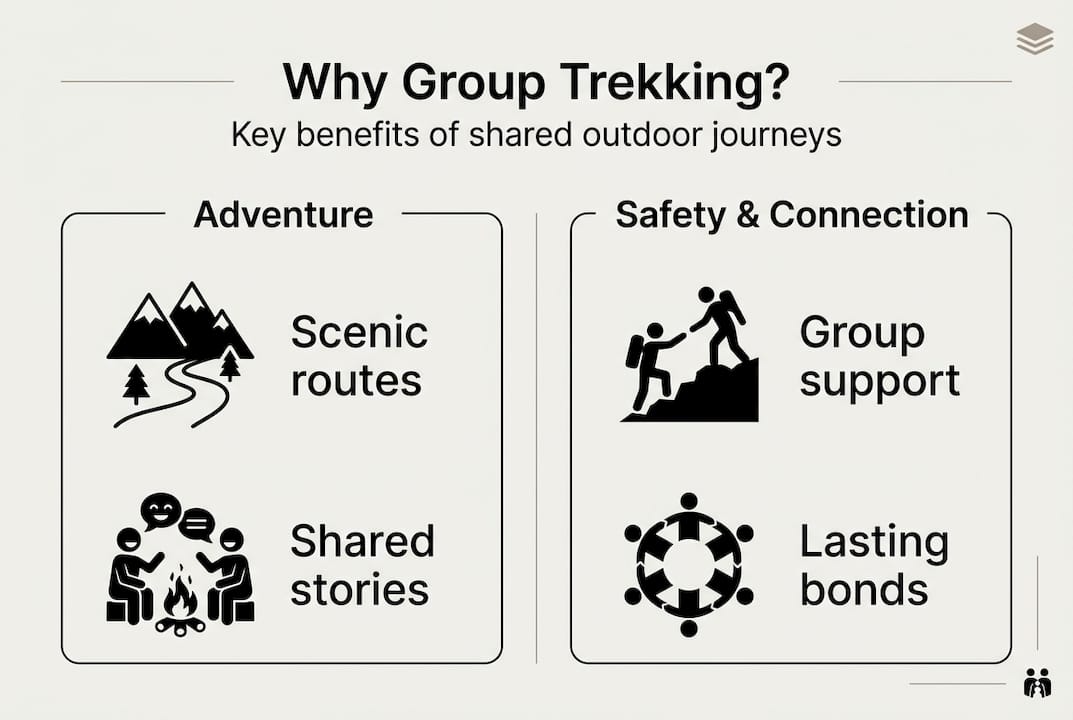
One of the biggest advantages of group trekking is built-in safety. If someone twists an ankle or feels unwell, there are people around to help immediately. Resources like first aid kits, food, and navigation tools are shared. Emergency response is faster and more effective when you are not alone on a remote trail.
As the Appalachian Trail guidelines note, group trekking enhances emergency response, but Leave No Trace principles are critical, especially with larger groups.
“The bigger the group, the bigger the footprint. Responsible group trekkers minimize impact by staying on marked trails, packing out all waste, and keeping noise levels respectful of wildlife and other hikers.”
Here are the key safety and sustainability practices every group should follow:
- Stay on marked trails: Cutting across vegetation damages ecosystems and increases erosion.
- Pack out all waste: Leave every campsite cleaner than you found it.
- Limit fire impact: Use camp stoves when possible. Open fires damage soil and local flora.
- Monitor group health: Leaders should check in on everyone daily, watching for blisters, dehydration, and altitude symptoms.
- Respect wildlife: Keep noise down and food stored securely.
Group dynamics can also create challenges. Disagreements about pace, route choices, or rest stops are common. The key is addressing issues openly and early. Defined roles help because people know who has the final say on the trail.
You can learn more about the benefits of group trekking and how positive group dynamics make all the difference on longer routes.
Pro Tip: During hunting seasons, wear bright orange or red clothing. It dramatically increases your visibility in forested areas and keeps the whole group safer.
Sustainability is not just an ethical choice. It protects the trails that make group trekking possible in the first place. The Peaks of the Balkans passes through protected national parks, so Leave No Trace practices are especially important there. For more on efficient group trekking practices, there are excellent resources available online.
Guided vs. self-guided group trekking: Which is right for you?
Navigating safety and social dynamics leads directly into another vital decision: guided or self-guided group trekking.
Both options have real merit. The right choice depends on your experience level, budget, and how much structure you want. Research suggests that small guided groups of 4 to 12 members strike the ideal balance for safety, customization, and environmental impact.
| Funktion | Guided | Self-guided |
|---|---|---|
| Navigation | Guide handles it | You handle it |
| Cost | Higher | Niedriger |
| Flexibility | Less flexible | More flexible |
| Safety net | Built-in expertise | Requires preparation |
| Experience needed | Beginner-friendly | Moderate to advanced |
| Logistics | Handled for you | Self-managed |
How do you decide which option fits you?
- Choose guided if: You are new to multi-day trekking, traveling with family, or want to focus entirely on the experience without worrying about logistics.
- Choose guided if: You are visiting a trail like the Peaks of the Balkans for the first time. Local hiking guides bring insider knowledge of terrain, weather, and culture that maps simply cannot offer.
- Choose self-guided if: You have strong navigation skills, trail experience, and enjoy the planning process.
- Choose self-guided if: Your group wants total flexibility over daily pace and route choices. A 10-day self-guided tour of the Peaks of the Balkans is a popular choice for experienced trekking groups.
- Mix both if: Some services offer guided starts with self-guided sections, letting you ease into independence gradually.
For families or first-time group trekkers, guided is almost always the better starting point. You get expert support, pre-arranged accommodation, and the freedom to focus on enjoying the trail. If you want to explore Peaks of the Balkans group tours, there are options for every experience level and group type.
A fresh take: Why group trekking is more than a hike
Most people frame group trekking as a physical achievement. You cover the kilometers, you summit the pass, you check the trail off your list. And yes, that accomplishment is real and worth celebrating.
But the experiences that stay with you longest are rarely the peaks. They are the unexpected moments. The wrong turn that led to a stunning valley nobody planned to see. The afternoon someone in the group struggled and the rest rallied around them. The campfire conversation that went on two hours longer than it should have.
In our experience watching trekking groups on the Peaks of the Balkans, the groups that focus only on the physical goal tend to miss the richer rewards. The unexpected joys of group treks often come from the friction, not just the flow. Disagreements, fatigue, and wrong turns become the stories people share for years.
Group trekking builds resilience in a way that solo hiking simply cannot replicate. You are accountable to others. You have to adapt, communicate, and sometimes put the group ahead of your own preferences. Those are real-world skills dressed up as adventure. And that is what makes group trekking genuinely worth doing.
Ready to experience group trekking in the Balkans?
You now have a solid picture of what group trekking involves and why it is worth your time. The next step is turning that knowledge into an actual adventure.
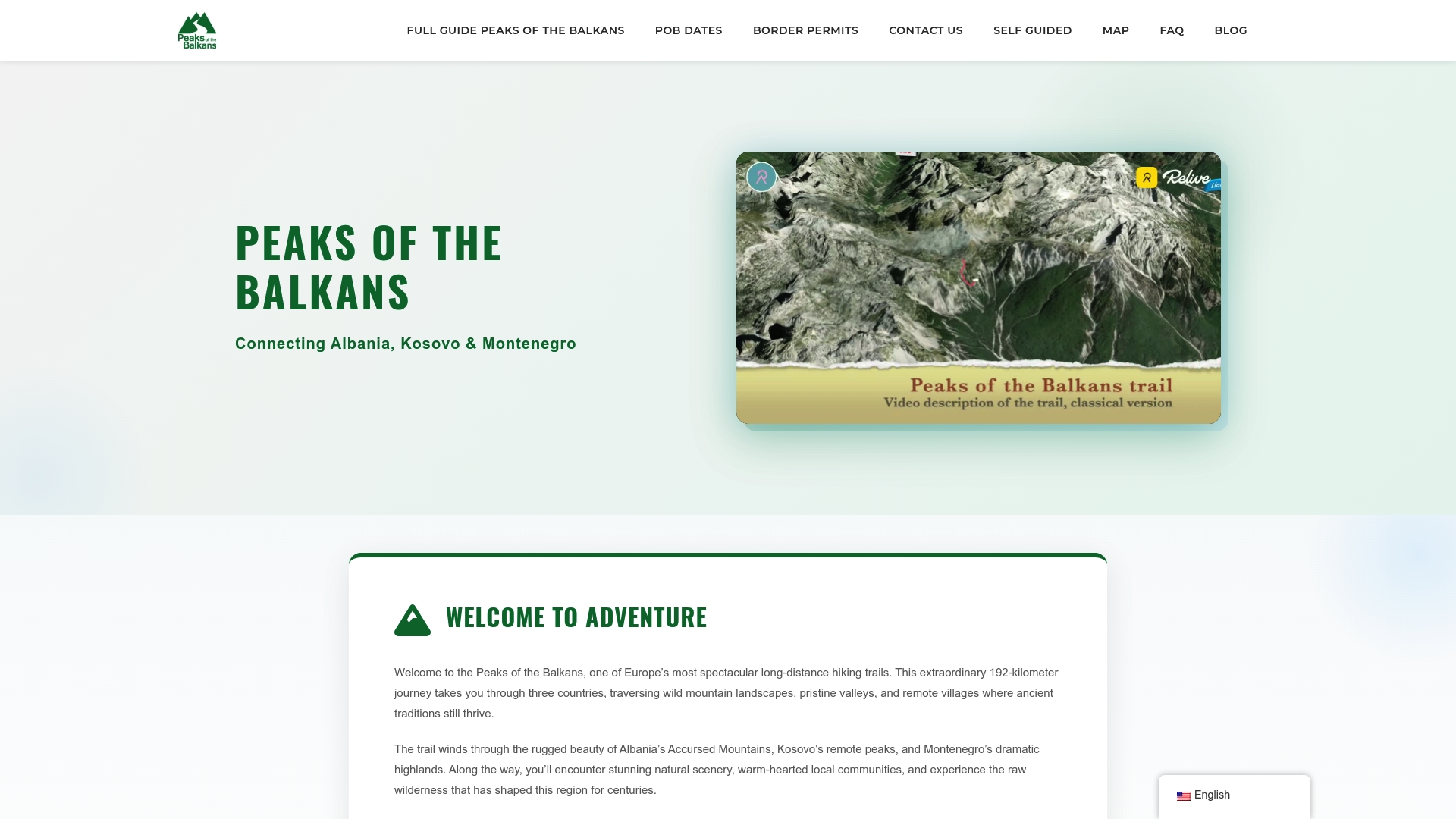
The Peaks of the Balkans trail is one of the most rewarding group trekking destinations in Europe, combining dramatic mountain scenery, rich local culture, and trail routes suited for a wide range of fitness levels. Whether you want to explore the Peaks of the Balkans on your own terms or prefer to join a group hiking tour with full support, there is an option that fits your group. Families will find especially welcoming routes through our guide to family-friendly group trekking. Browse the itineraries, find your fit, and get ready to hit the trail.
Häufig gestellte Fragen
What is the ideal group size for trekking?
The best group size for trekking is typically 4 to 12 people. This range supports safety and personalization while keeping environmental impact low.
Is group trekking safe for families with kids?
Yes, group trekking with guided support is safe for families. Guided treks tailor logistics for different ages and skill levels, making the experience manageable and enjoyable for children.
What should you pack for a group trek?
Bring layered clothing, sturdy footwear, and personal essentials. Keep your pack light: backpacks under 20 to 25% of your body weight will protect your joints and energy over multiple days.
How do you handle conflicts in group trekking?
Effective communication, flexibility, and clearly defined roles keep disagreements manageable on the trail. Adaptability and communication are the two most important tools for maintaining group harmony across multiple days.
Empfohlen
- Entdecken Sie die Gipfel des Balkans auf Niederländisch:
- Hiking Theth to Nderlyse and Back – Peaks of the Balkans
- Peaks of the Balkans, Wanderweg, Wandertouren
- Gastfamilien auf dem Gipfelweg des Balkans: Ein Leitfaden
- Group transfer services in the Alps: comfort, value explained • Blog • Go Transfer Peak
 German
  English
  French
  Dutch
Dutch  Hebrew