Full guide peaks of the Balkans
The Ultimate Peaks of the Balkans Trail Guide:
Complete Itinerary & Trekking Tips
The Peaks of the Balkans (POB) is a premier multi-day trekking adventure, traversing the majestic Accursed Mountains (Bjeshkët e Nemuna), and connecting three distinct countries: Albania, Kosovo, and Montenegro. This guide provides an SEO-ready, comprehensive breakdown, blending essential facts with local expertise to help you plan your ultimate Balkan journey.
Peaks of the Balkans Trek Overview & Essential Facts
What is the Peaks of the Balkans trail?
The Peaks of the Balkans trail is a challenging, multi-country trek that utilizes old mule and trade routes once established during the Ottoman Empire. These routes were largely closed following the region’s political shifts in the early 20th century. Local mountaineers, with international support, successfully redesigned the modern trail, transforming what was once a heavily guarded Cold War border zone into a flourishing tourism destination.
The trail has inspired historical travelogues, notably Edith Durham’s early 20th-century work and Jane Wilder Rose’s Peaks of Shala, celebrating the Accursed Mountains’ remote beauty. As recently noted by international press, the trail uniquely “bridges three previously war-torn nations and crosses through some of the continent’s least-explored landscapes.”
Quick facts at a glance
| Metric | Value |
| Overall Total Distance (New Route) | 168.3 km (104.6 miles) |
| Overall Total Distance (Original) | 192 km |
| Overall Total Ascent | 10,651 m (34,956 ft) |
| Overall Total Descent | 10,106 m (33,150 ft) |
| Countries Covered | Albania, Kosovo, Montenegro |
Why trek this trail?
The POB trek is a unique European adventure, offering a distinct blend of natural beauty, cultural depth, and accessibility.
- Multi-Country Experience: Hike through three nations—Albania, Kosovo, and Montenegro—on a single, contiguous path.
- Diverse Scenery & Terrain: Experience challenging rocky peaks, expansive highland pastures still used by shepherds, and ancient forests.
- Cultural Immersion: Meet people from different ethnic and religious backgrounds, sharing genuine, welcoming local hospitality.
- Safe & Affordable: The trail is exceptionally safe and remains highly affordable compared to Western European alternatives.
- Remote yet Accessible: Despite its wild feel, it’s accessible via short flights to three nearby international airports (Tirana, Podgorica, Prishtina).
Highlights of the Peaks of the Balkans
Valbona Pass and Valbona–Theth Section
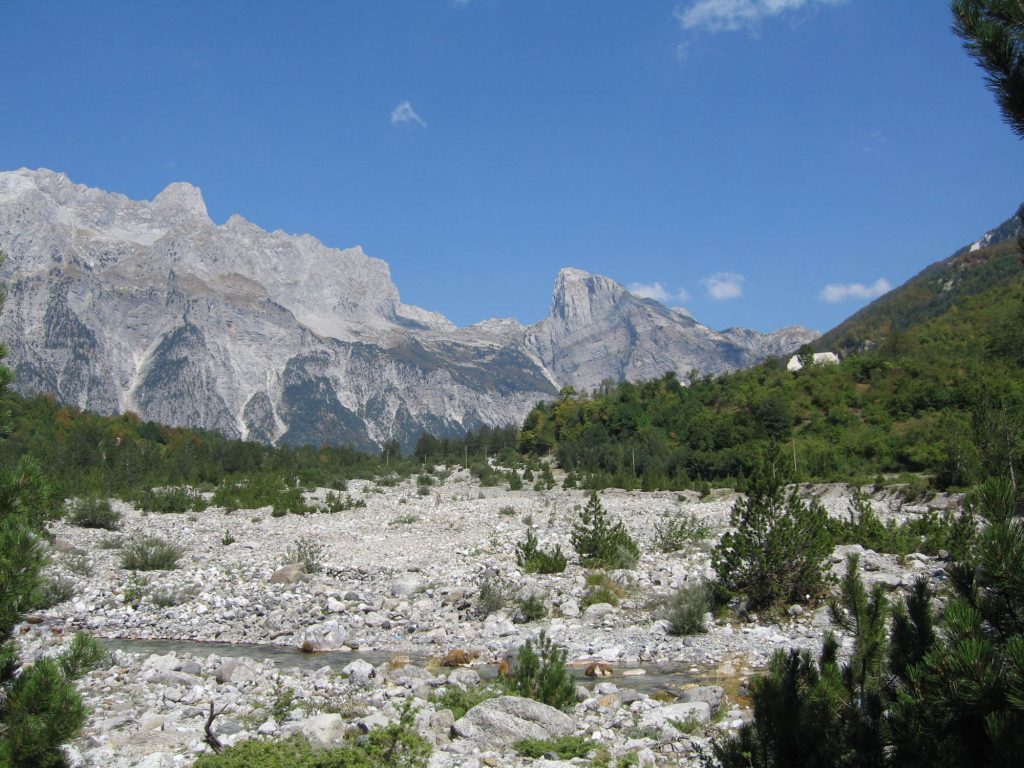
This is the most popular hike on the entire trek, often serving as the first stage. It is exceptionally beautiful, rewarding hikers with magnificent views over both the Shala (Theth) and Valbona valleys. The hike from Theth is typically steeper, making the descent into Valbona generally easier.
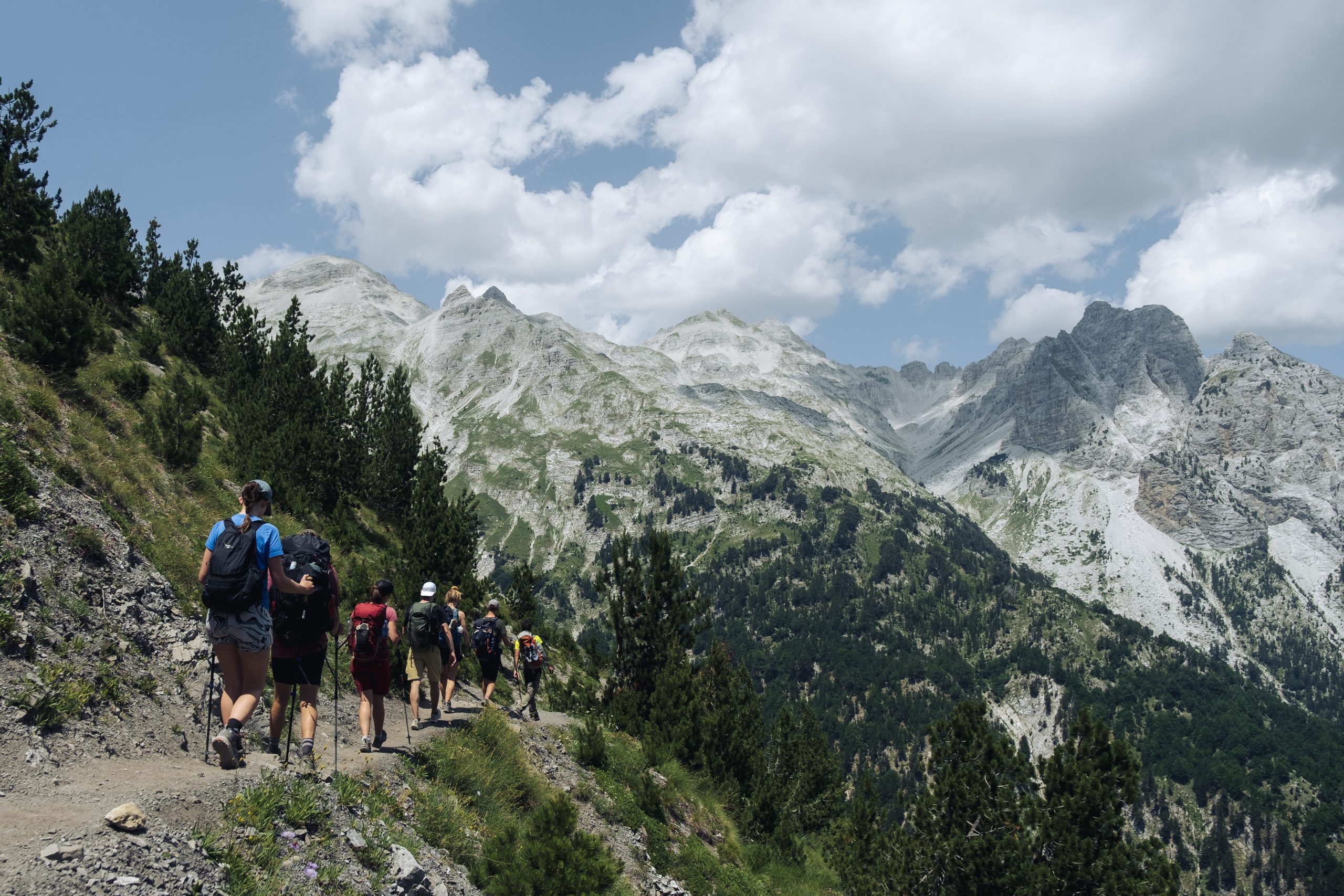
Caution: In early June or late September, a section near the pass can be narrow and dangerous with snow. A lower winter trail is available to bypass this risk.
Prosllopit Pass
This dramatic, highly recommended alternate route connects Valbona to Çerem, avoiding an easier but less scenic tractor road. This pass can be combined with a challenging side climb to Maja Kollata for experienced trekkers. The ascent rewards you with stunning views down at the Valbona valley before a long descent through rocky terrain and pastures into Çerem.
Three-Border Peak (Tri Kufiri/Tromeda)
Located roughly in the middle of the full trail, this iconic peak is the junction point where the borders of Albania, Kosovo, and Montenegro meet. It provides spectacular views and offers a memorable moment where you can symbolically cross three nations in minutes.
Side Trips and Hidden Gems
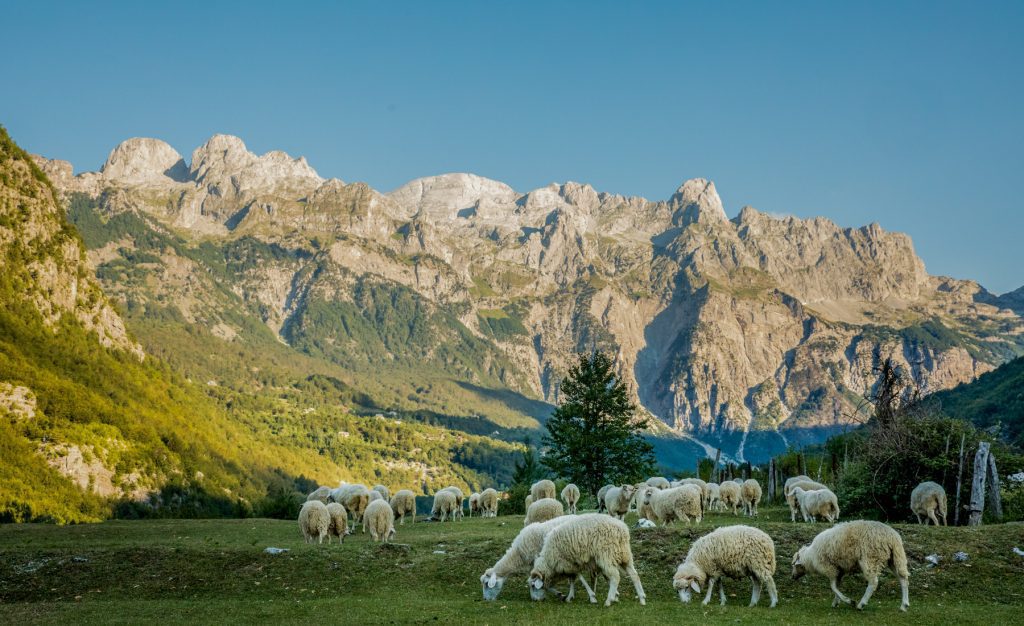
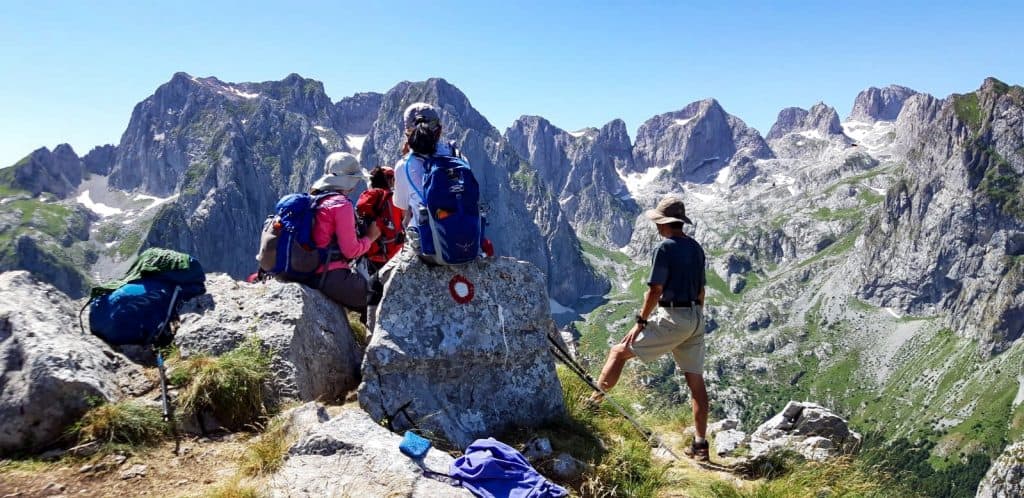
- Maja Karanfil and the Gerbaja Valley (Montenegro): A detour offering the iconic view of rocky peaks piercing the sky—often the poster image for the entire trek.
- Gjeravica Peak (Kosovo): The highest peak in Kosovo, reachable as a loop from Doberdol or via a continued path toward the Gacaferri guesthouse.
Cultural and Historic Highlights
The Accursed Mountains were a heavily guarded danger zone during the Cold War. You will encounter the distinctive concrete bunkers built by former communist leader Enver Hoxha in Albania. These structures now serve as a powerful, peaceful reminder of the region’s recent and complex history.
When to Hike (Season & Weather)
Peak season (June–September)
The optimal season for the Peaks of the Balkans trek is from June to September.
| Month | Climate | Crowds | Advantage |
| July/August | Warmest, driest days | Highest | Best chance for clear weather and fully open guesthouses. |
| June/September | Cooler, higher chance of rain | Lower | More moderate walking temperatures and fewer crowds. |
Shoulder Seasons (May & October)
Hiking is possible but involves higher risks:
- Risk of Snowfall: Unexpected heavy snow can still be a risk, making high passes tricky.
- Accommodation: Not all guesthouses will be open, requiring careful advance booking.
- Shorter Days: Less daylight for walking.
The trail is generally accessible year-round for those with proper preparation and a strong spirit of adventure, with some parts even used for winter ski touring.
Getting There & Entry Points
The trail forms a loop, allowing you to start in any of the three countries. The lack of a good train network means you will rely on buses, vans, and private transport.
 Starting from Albania (Shkodra, Theth, Tirana)
- Most Common Start: The city of Shkodra, which offers historical and natural sights.
- Via Theth: A 3+ hour scenic transfer from Shkodra.
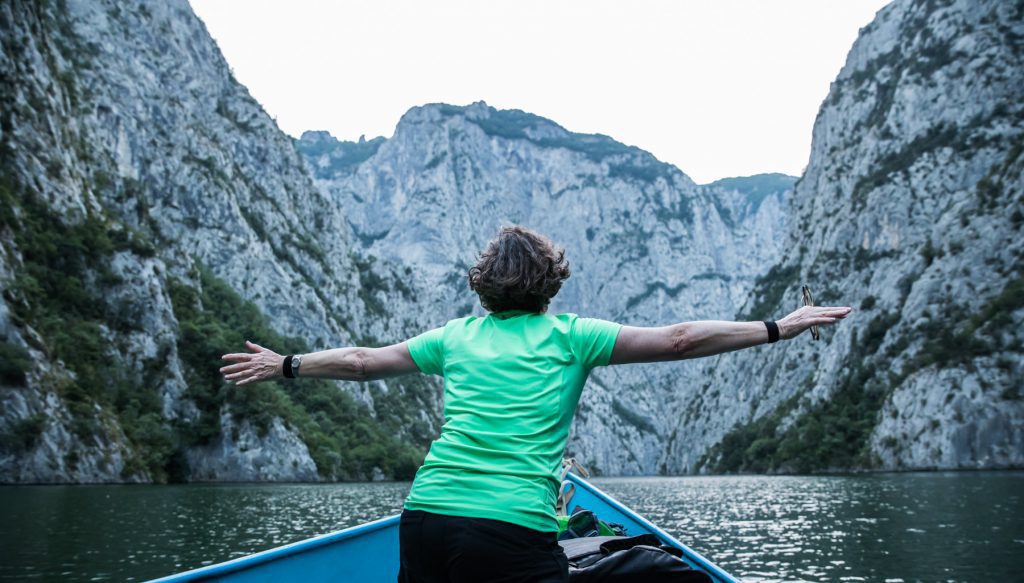
- Via Komani Lake and Valbona: A nearly full-day journey involving a bus and a spectacular 2-hour boat ride through Komani Lake, followed by a drive to Valbona.
 Starting from Kosovo (Peja / Reka e Allages)
- Closest to an Airport: Prishtina International Airport (PRN). The trailhead is approximately 1 hour and 40 minutes away.
- City Stop: Peja offers excursions like Via Ferratas and a zip line in the Rugova Canyon.
 Starting from Montenegro (Plav, Podgorica)
- Entry Point: Plav, a scenic town near Plav Lake.
- Access: Access to Plav is the longest, involving approximately four hours of driving on less-than-ideal roads from Podgorica Airport.
Recommendation: Private transport from international airports is highly recommended due to unreliable public bus options.
 Permits & Border Crossings
Do you need a permit?
Yes, you do. As Albania, Kosovo, and Montenegro are outside the EU/Schengen Zone, border crossing on foot requires a specific border-crossing permit.
If you are caught by police without a valid border permit, you will be sent to the police station and required to pay a fine. While checking is not regular, controls do happen.
Obtaining Permits
Securing permits independently can be complex:
- Montenegro: Requires applying in person at a local police station, paying a fee through a Montenegrin bank, and returning to collect the physical permit.
- Kosovo/Albania: Permits are issued by email, but the process involves contacting the correct police departments and waiting for approval.
Easiest Solution: Most international travelers secure all required permits through a licensed tour operator, who manages the paperwork for full compliance.
Watch this video for a detailed discussion of every section of the Peaks of the Balkans.
 Accommodation & Food
Guesthouses and Lodges
Accommodation has significantly improved. Valbona and Theth have the largest capacity but often fill up entirely in peak season. The rest of the trail relies on smaller, family-managed guesthouses.
Note on Booking: While you can book independently, note that some accommodations lack proper digital management, which can occasionally lead to mixed-up bookings.
Camping Options
Camping is not allowed inside the national park boundaries. However, most guesthouses will permit you to pitch a tent in their yard for a small fee, allowing you to utilize their facilities (showers, meals).
Food and Water on the Trail
The food remains authentic, especially in smaller guesthouses, typically based on bread, dairy, meat, and local vegetables, with options for vegetarians and vegans.
- Water: Carry at least one liter of water. Water purification capsules/filters are highly recommended, though guesthouse water is generally safe. Many natural sources are available and marked in detailed trail notes.
Self-guided itineraries
The trail can be done with a guide or as a self-guided trip. You can organise your trip by yourself or you can book through a company. Organising yourself will take time as you have to book every guesthouse separately, you have to deal with transfers and border permits. Sometimes this organisation is part of an adventure, sometimes you would like to have someone do it for you. Our partner Balkan Natural adventure offers 5 6 and 10 day itineraries. Go to page Self guided peaks of the Balkans or you can look at the offer for Guided tour Peaks of the Balkans
 English
  Deutsch
  Français
  Nederlands (België)
  עִבְרִית