
Top family-friendly hiking routes with kids in 2026, including advice for peaks of the balkans

Finding the perfect hiking trail for your family involves balancing safety, engagement, and accessibility. Parents often struggle to identify routes that match their children’s abilities while offering scenic beauty and educational value. The right trail keeps kids excited without overwhelming them physically. This guide presents criteria for selecting family-friendly hikes and showcases three exceptional routes with detailed logistics, features, and practical tips to help you plan memorable outdoor adventures that suit your family’s needs and create lasting memories on the trail.
Table of Contents
- Criteria For Selecting Family-Friendly Hiking Routes
- Top Family-Friendly Hiking Routes
- Comparing Family-Friendly Trails: A Side-By-Side Look
- Choosing The Right Trail For Your Family Adventure
- Discover More Family-Friendly Outdoor Adventures With Peaks Of The Balkans
- Frequently Asked Questions
Key takeaways
| Point | Details |
|---|---|
| Optimal trail length | Routes under 3 miles with less than 500 feet elevation gain work best for young hikers |
| Engagement features | Natural attractions like waterfalls and petroglyphs keep children interested throughout the hike |
| Safety considerations | Smooth trail surfaces and accessibility features reduce risks and support comfortable family experiences |
| Parking logistics | Early arrival secures spots at popular trailheads, especially on weekends |
| Trail variety | Different routes offer unique benefits from paved stroller paths to educational historical sites |
Criteria for selecting family-friendly hiking routes
Selecting the right trail starts with understanding what makes a route genuinely suitable for children. Family-friendly hiking routes feature shorter distances, lower elevation gains, and well-maintained trails to match children’s physical capabilities and attention spans. Most experts recommend keeping hikes under 3 miles with elevation changes below 500 feet for younger children. These parameters prevent exhaustion while maintaining enough challenge to feel like an accomplishment.
Trail surface plays a crucial role in safety and enjoyment. Smooth, stable paths reduce tripping hazards and allow kids to focus on their surroundings rather than watching every step. Rocky or root-covered trails increase fall risks and tire children faster. Trail accessibility features like boardwalks, bridges, and interpretive signs enhance the family experience by providing educational opportunities and reducing physical barriers. These elements transform a simple walk into an interactive learning adventure.
Weather and timing significantly impact your outing success. Morning hikes offer cooler temperatures and better wildlife viewing opportunities. Pack essentials including water, healthy snacks, layered clothing, and a basic first aid kit. Sun protection becomes critical on exposed trails. Hiking safety tips emphasize preparation and awareness of surroundings.
Not all trails marked easy suit every child. Consider terrain specifics beyond difficulty ratings. A trail with minimal elevation but exposed drop-offs poses different challenges than a gradual climb through dense forest. Assess your children’s comfort with heights, water crossings, and narrow passages. Some kids thrive on mild adventure while others need extra reassurance.
Pro Tip: Test your child’s hiking stamina with short neighborhood walks before committing to longer trails. This builds confidence and helps you gauge realistic distance goals.
family-friendly roots in Peaks of the balkans
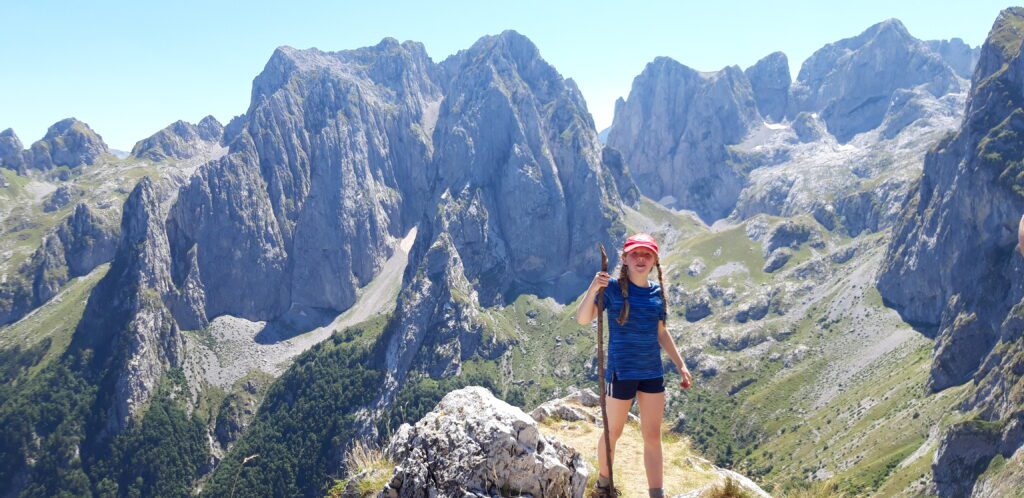
Some families did peaks of the Balkans, with kids, including one with an 8-year-old. However, these are exceptions as the trail is long and hikes are abouve 10 k. Understanding peaks of the balkans difficulty levels helps set appropriate expectations for various trail types. However if you are visiting North Albania, some parts of the Peaks of the Balkans can be suitable for vists with kids and with the aid of horses this can be a very exciting adventure. One idea is to go in Theth, spend a day there, and go for a swim in cold water or play around it with Kids in Vaskat e Shales in Nderlysa.
On the second day, you can hike to Valbona with the aid of horses. This is an intensive hike, but you can book locally for horses, which can be used by kids during the climb. It will be a real adventure and you will know more about people and local culture as you will walk with a horse herder.
On the third day in Valbona, many trails tae you to the Valbona river and inside the village, which can be very nice for a family picnic and a lighter day after the Theth – Valbone hike. The next day you can take the ferry to go back to Shkoder or spend one day in Lumi Shales touristic destination.
For families interested in expanding their hiking horizons, connecting with a local company provides expert knowledge and safety support for more ambitious adventures. Learning from experienced professionals accelerates skill development and confidence. Additional resources on planning hikes with kids offer diverse perspectives and strategies from other family hiking enthusiasts.
Another good location is Plav, which offers a lake and local hikes, and some sections of Peaks of the Balkans which can be suitable for kids aided by small transfers.
Top family-friendly hiking routes globally
Capitol Gorge Trail offers an exceptional introduction to family hiking. This 2-mile round trip adventure features minimal elevation gain of just 80 feet, making it accessible for young children. The trail is considered easy and suitable for young children, with fascinating geological features that capture attention naturally. Kids love exploring the canyon walls and discovering ancient petroglyphs carved into rock faces. The trail includes natural climbing opportunities on boulders and rocks, providing safe adventure within a controlled environment. Water pockets along the route create natural history lessons about desert ecosystems.
Rock Bridge Trail delivers moderate challenge with substantial rewards. This 1.5-mile loop hike is rated as moderate, featuring approximately 300 feet of elevation gain that older children handle comfortably. The trail culminates at Creation Falls, where shallow pools provide safe wading opportunities for hot summer days. Kids enjoy the sense of accomplishment reaching the waterfall after the climb. The natural rock bridge formation creates photo opportunities and geological talking points. Trail conditions vary seasonally, with spring offering peak water flow at the falls.
American Fork Canyon Nature Trail prioritizes accessibility and education. This 0.25-mile one-way path features paved surfaces suitable for strollers, making it perfect for families with very young children or those needing wheelchair access. Interpretive signs along the route teach about local flora, fauna, and ecosystem relationships. The trail includes a swinging bridge that delights children while remaining completely safe. Picnic facilities at the trailhead support extended family outings with meals and rest breaks.
Each trail offers distinct advantages based on your family’s preferences:
- Capitol Gorge suits history enthusiasts and desert landscape lovers
- Rock Bridge appeals to families seeking water features and moderate physical challenge
- American Fork Canyon serves families needing full accessibility with educational focus
Logistical considerations matter as much as trail features. Capitol Gorge requires navigating a scenic gravel road that demands cautious driving. Rock Bridge trailhead sits at the end of a 3-mile unpaved access road that becomes challenging after rain. American Fork Canyon offers paved access but limited parking during peak times. Planning around these factors prevents frustration and ensures smooth outings.
Pro Tip: Bring a field guide or nature identification app to transform hikes into scavenger hunts. Kids stay engaged searching for specific plants, rocks, or animal tracks.
For families planning international adventures, exploring options like self-guided hiking tours provides structured support while maintaining flexibility. Understanding trail systems through resources like the complete guide peaks of the balkans and summary of the peaks of the balkans helps families prepare for diverse hiking experiences. Learning about safe adventure activities for kids builds confidence for trying new outdoor challenges.
Comparing family-friendly trails: a side-by-side look
A direct comparison helps families identify which trail matches their specific needs and capabilities. Each route offers unique strengths that appeal to different priorities and age groups.
| Feature | Capitol Gorge Trail | Rock Bridge Trail | American Fork Canyon |
| — | — | — |
| Total Distance | 2 miles round trip | 1.5 miles loop | 0.5 miles round trip |
| Elevation Gain | 80 feet | 300 feet | Minimal |
| Surface Type | Natural dirt and rock | Natural dirt path | Paved |
| Key Attractions | Petroglyphs, canyon walls | Creation Falls, rock bridge | Swinging bridge, interpretive signs |
| Accessibility | Moderate, uneven terrain | Moderate, some steep sections | Full stroller and wheelchair access |
| Road Conditions | Gravel road to trailhead | 3-mile unpaved access road | Paved access |
| Best For | History lovers, older kids | Active families, water play | Young children, accessibility needs |
The comparison reveals important trade-offs families must consider. Capitol Gorge balances manageable distance with engaging features but requires comfort on uneven surfaces. Rock Bridge offers the most dramatic scenery and water features but demands higher physical capability and vehicle clearance. American Fork Canyon removes accessibility barriers entirely but provides the shortest hiking experience.
Road conditions significantly impact trip planning. The drive to Capitol Gorge involves a scenic gravel road requiring caution, particularly for low-clearance vehicles. The parking area for Rock Bridge sits at the end of a rough unpaved road that becomes muddy and challenging after rain. Families driving sedans should verify current road conditions before attempting these routes. American Fork Canyon eliminates these concerns with full paved access.
Weather checking becomes essential before any hike. Summer thunderstorms create flash flood risks in canyon areas like Capitol Gorge. Spring runoff increases water flow at Creation Falls, making pools deeper and potentially less safe for small children. Winter ice renders some trails impassable or dangerous. Always verify current trail status through official sources or recent trip reports.
Pro Tip: Hiking shoes with good traction improve safety across all trail types. Even paved paths become slippery when wet, and proper footwear prevents falls and builds confidence.
Understanding permit requirements and regulations helps avoid surprises. Resources like peaks balkans permits guide 2026 demonstrate how different trail systems manage access and conservation. While these specific trails typically require no permits, learning about various management approaches prepares families for diverse hiking destinations.
Choosing the right trail for your family adventure
Selecting the optimal trail requires honest assessment of your family’s abilities and preferences. Start by evaluating your children’s recent physical activities. Kids who regularly play sports or engage in active outdoor play handle longer distances and elevation better than those accustomed to sedentary activities. Age provides only rough guidance since individual stamina varies significantly.
Follow this decision framework:
- Assess your youngest or least experienced hiker’s capabilities honestly
- Choose a trail rated below their maximum ability for the first outing
- Consider accessibility needs including stroller requirements or mobility limitations
- Match trail features to your children’s interests like water, history, or wildlife
- Verify current road and trail conditions before departing
- Plan arrival time based on parking availability and weather patterns
Accessibility needs extend beyond physical mobility. Some children learn best through interactive experiences like interpretive signs and hands-on exploration. Others engage more deeply with dramatic scenery and challenging terrain. Educational signage transforms hikes into outdoor classrooms where kids absorb information naturally through curiosity rather than formal instruction.
Parking and timing strategies prevent common frustrations. Arriving early is recommended, especially on weekends, as parking lots fill up fast at popular family destinations. Morning starts offer additional benefits including cooler temperatures, better wildlife activity, and avoiding afternoon thunderstorms common in mountainous regions. Plan to reach trailheads by 8 AM on summer weekends.
Essential gear preparation ensures comfort and safety. Pack twice as much water as you think necessary since children dehydrate quickly. Bring high-energy snacks like trail mix, fruit, and granola bars for regular fuel. Layer clothing to adjust for temperature changes as elevation increases or weather shifts. Include basic first aid supplies, sunscreen, and insect repellent. A small backpack allows older children to carry their own supplies, building responsibility and outdoor skills.
Pro Tip: Create a hiking reward system where children collect small tokens or stamps for completed trails. This builds excitement for future adventures and creates positive associations with outdoor activities.
Frequently asked questions
What are typical length and elevation limits for family-friendly hikes?
Most family-friendly trails stay under 3 miles total distance with less than 500 feet of elevation gain. These parameters match young children’s physical capabilities and attention spans. Shorter distances allow for slower pacing with frequent stops for snacks, exploration, and rest.
How important are trail surface and safety features for kids?
Trail surface dramatically impacts safety and enjoyment for children. Smooth, stable paths reduce tripping hazards and allow kids to observe surroundings rather than watching every step. Accessibility features like bridges and railings provide physical support and create learning opportunities through interpretive signs.
Can technology help keep kids engaged on hikes?
Nature identification apps and GPS tracking can enhance engagement when used thoughtfully. Balance technology use to avoid distraction from direct nature experiences. Apps work best for identifying plants, animals, or geological features kids discover naturally rather than as primary entertainment.
When is the best time to start a family hike to avoid parking issues?
Aim to reach popular trailheads by 8 AM, especially on summer weekends when families flock to outdoor destinations. Early starts provide additional benefits including cooler temperatures, better wildlife viewing, and avoiding afternoon thunderstorms common in mountainous areas.
Are water play areas safe for children on hiking trails?
Shallow pools at destinations like Creation Falls provide safe wading opportunities when properly supervised. Always assess current water conditions as spring runoff increases depth and flow speed. Never allow children near fast-moving water or pools with unclear bottoms regardless of apparent shallowness.
Recommended
- Peaks of the Balkans, Trail, Hiking Tours
- Peaks of the Balkans permits: essential guide for 2026
- Hiking Vuthaj to Buni Jezerces via Zastan – Peaks of the Balkans
- Hike Milisevc to Babino Polje – Peaks of the Balkans
- Herbstabenteuer in Berlin: Wandern mit Kindern – Beste Tipps
- Safe Adventure in Jaco for Kids | Zipline, ATV & Waterfalls
 English
  Deutsch
  Français
  Nederlands (België)
  עִבְרִית