Why the Balkans are perfect for adventure travel
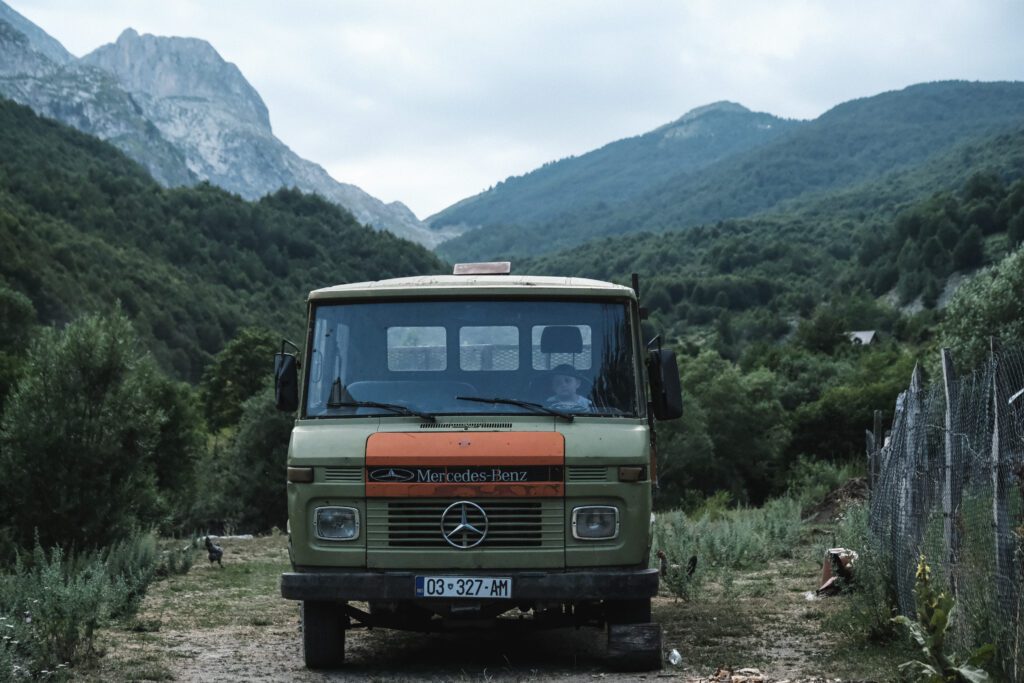
Most adventure travelers default to Iceland, New Zealand, or the Alps when planning their next outdoor escape. Yet tucked between Central Europe and the Mediterranean lies a region offering equally stunning landscapes, richer cultural immersion, and far fewer crowds. The Balkans deliver authentic mountain experiences where trails wind through remote villages, national parks protect rare ecosystems, and local hospitality transforms every hike into a cultural journey. For families and seasoned adventurers alike, this overlooked corner of Europe provides the perfect blend of challenge, beauty, and genuine connection that modern adventure travel promises but rarely delivers.
Table of Contents
- Key takeaways
- The natural beauty and diversity of the Balkans
- Why adventure travelers choose the Balkans for hiking and outdoor activities
- The cultural and authentic experience of adventure travel in the Balkans
- Planning your Balkan adventure: when to go and what to know
- Explore peaksofthebalkans.info for your next adventure
- Frequently asked questions
Key Takeaways
| Point | Details |
|---|---|
| Diverse Balkan landscapes | The Balkans offer dramatic, rugged mountains, alpine meadows, glacial lakes, and beech forests across a compact region. |
| Trails for all levels | Trail options accommodate casual hikers to experienced expeditions with improved markings and a reliable network of accommodations. |
| Authentic cultural immersion | Local communities and guesthouses offer genuine hospitality and cultural experiences away from crowded tourist trails. |
| Less crowded travel | Compared with Western Alpine routes, Balkan trails are quieter with fewer crowds and authentic scenery. |
The natural beauty and diversity of the Balkans
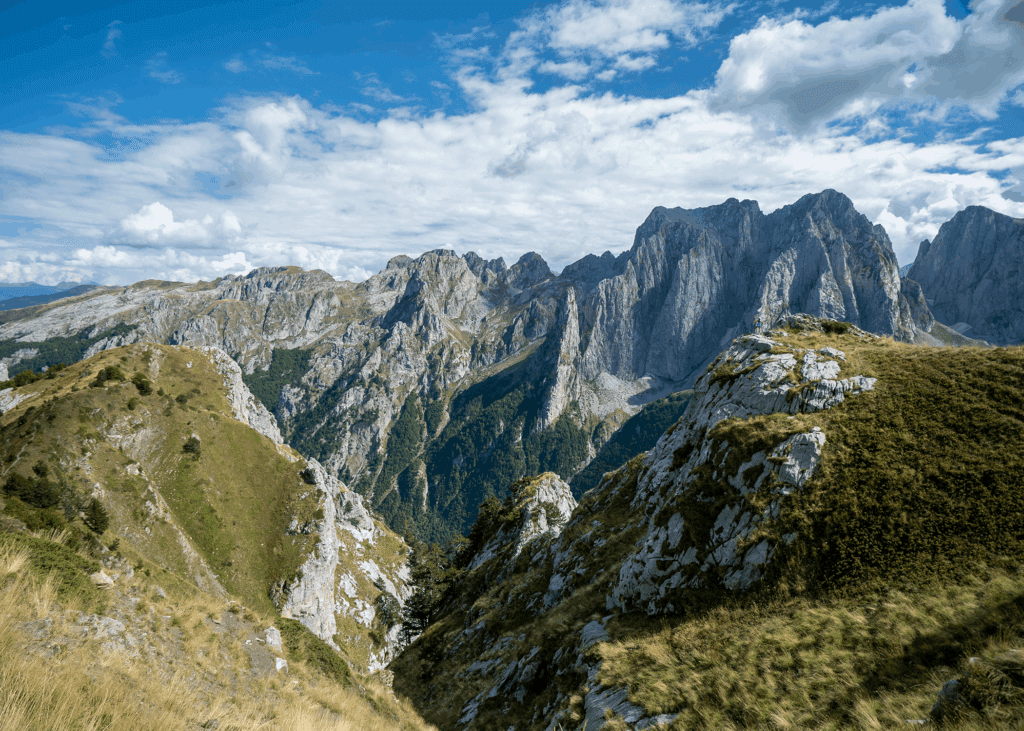
The Balkans stretch across southeastern Europe, encompassing dramatic mountain ranges that rival the Alps in beauty while maintaining their wild, untouched character. The Dinaric Alps form the backbone of the region, running through Slovenia, Croatia, Bosnia and Herzegovina, Montenegro, and Albania. These limestone peaks rise sharply from the Adriatic coast, creating stunning elevation changes within short distances. Further east, the Balkan Mountains proper extend through Bulgaria, while the Pindus range dominates northern Greece.
What sets this region apart is the remarkable ecosystem diversity packed into relatively compact geography. You can hike through alpine meadows dotted with glacial lakes in the morning, then descend through beech forests into Mediterranean vegetation by afternoon. The Peaks of the Balkans trail exemplifies this variety, crossing three countries and multiple climate zones over its 192-kilometer route. Endemic plant species thrive in these mountains, with over 2,000 flowering plants found nowhere else on Earth.
National parks protect the most spectacular landscapes while maintaining traditional land use practices. Durmitor National Park in Montenegro features 18 glacial lakes and Europe’s deepest canyon. Prokletije National Park straddles the Albanian-Montenegrin border with peaks exceeding 2,500 meters. Theth National Park in Albania preserves both natural beauty and centuries-old stone villages. These protected areas host brown bears, wolves, lynx, and over 200 bird species, including golden eagles and rare Balkan chamois.
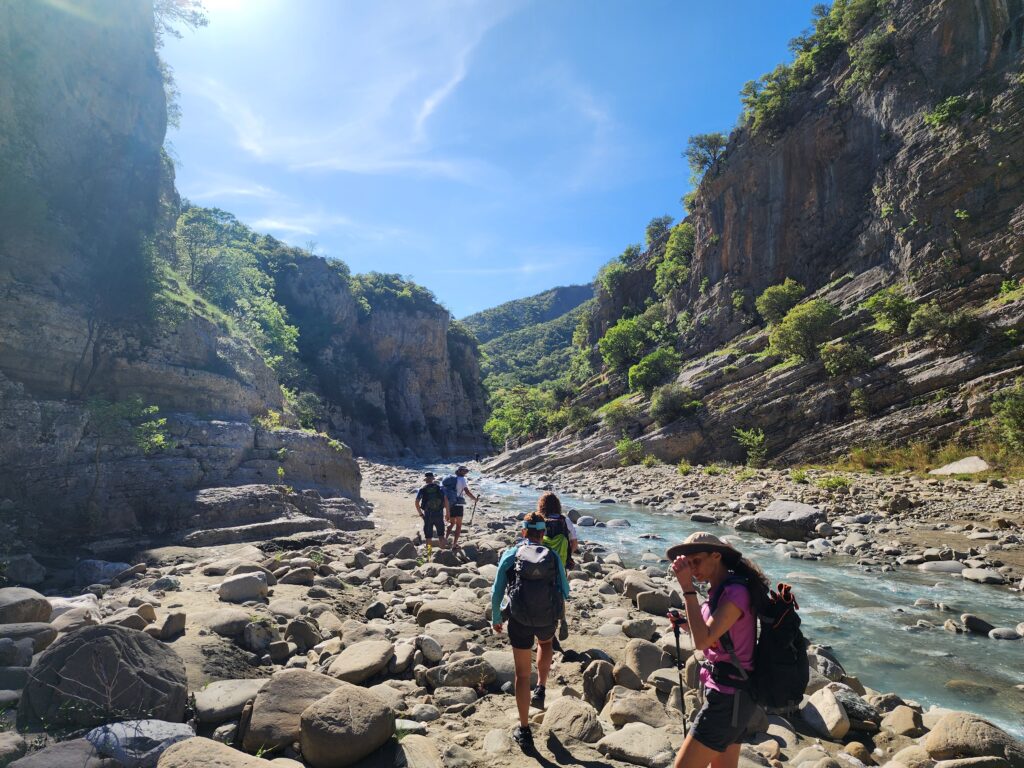
Compared to heavily trafficked Western European destinations, Balkan trails offer solitude and discovery. Where popular Alpine routes see thousands of hikers weekly during peak season, equivalent Balkan paths might host dozens. The terrain challenges you without requiring technical climbing skills on most routes. Rocky limestone trails demand attention and proper footwear, but the rewards include panoramic views unmarred by ski lifts or mountain restaurants.
Key landscape features:
- Jagged limestone peaks with dramatic vertical relief
- Crystal-clear mountain lakes formed by glacial activity
- Dense old-growth forests of beech, pine, and fir
- Alpine meadows bursting with wildflowers June through August
- Deep river canyons carved through ancient rock formations
| Mountain range | Highest peak | Primary countries | Hiking season |
|---|---|---|---|
| Dinaric Alps | Bobotov Kuk (2,523m) | Montenegro, Albania | June-September |
| Accursed Mountains | Maja Jezercë (2,694m) | Albania, Kosovo, Montenegro | July-September |
| Pindus | Smolikas (2,637m) | Greece, Albania | June-October |
| Rila | Musala (2,925m) | Bulgaria | July-September |
Pro Tip: Visit in late June when alpine flowers peak but summer crowds haven’t arrived. Trails are clear of snow, temperatures remain comfortable for hiking, and guesthouses operate at full capacity without being overbooked.
Why adventure travelers choose the Balkans for hiking and outdoor activities
The Balkans cater to every adventure skill level, from casual day hikers to experienced mountaineers seeking multi-week expeditions. Trail infrastructure has improved dramatically over the past decade, with clear markings, updated maps, and reliable accommodation networks. Yet the region maintains its wild character, unlike over-developed Alpine routes where infrastructure sometimes overwhelms nature.
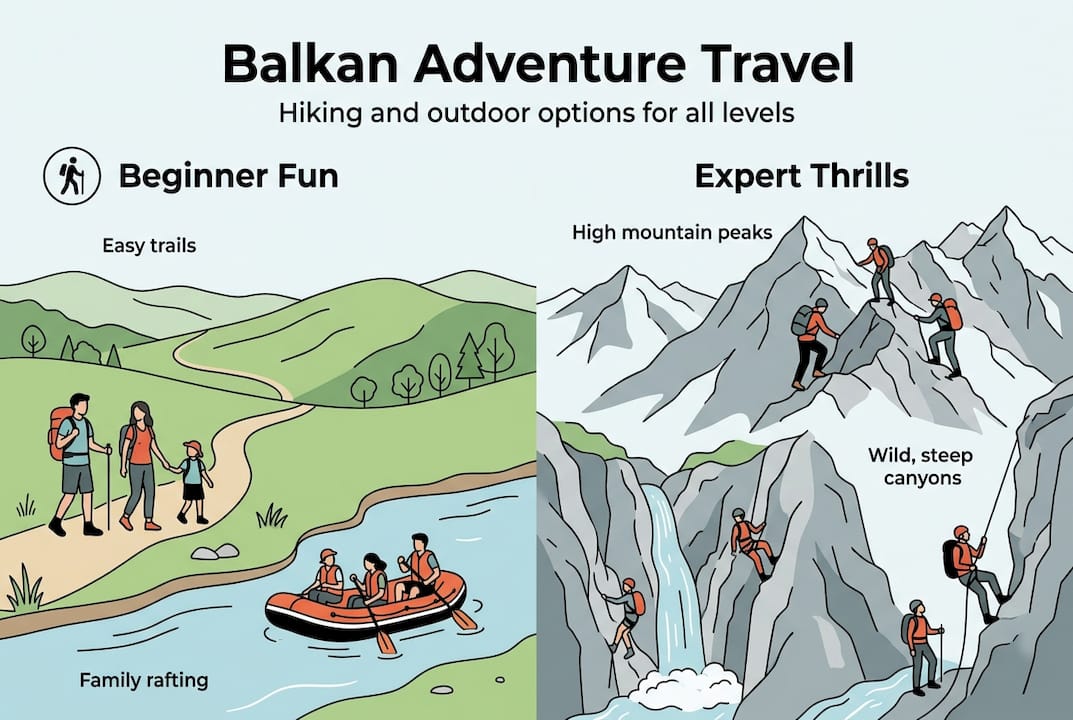
Beginners and families find plenty of accessible options. The family-friendly hiking routes include gentle valley walks, waterfall hikes, and cultural trails connecting mountain villages. These routes typically cover 5 to 10 kilometers with moderate elevation gain, perfect for children aged 8 and up. Guesthouses along these paths welcome families, offering home-cooked meals and safe, comfortable lodging.
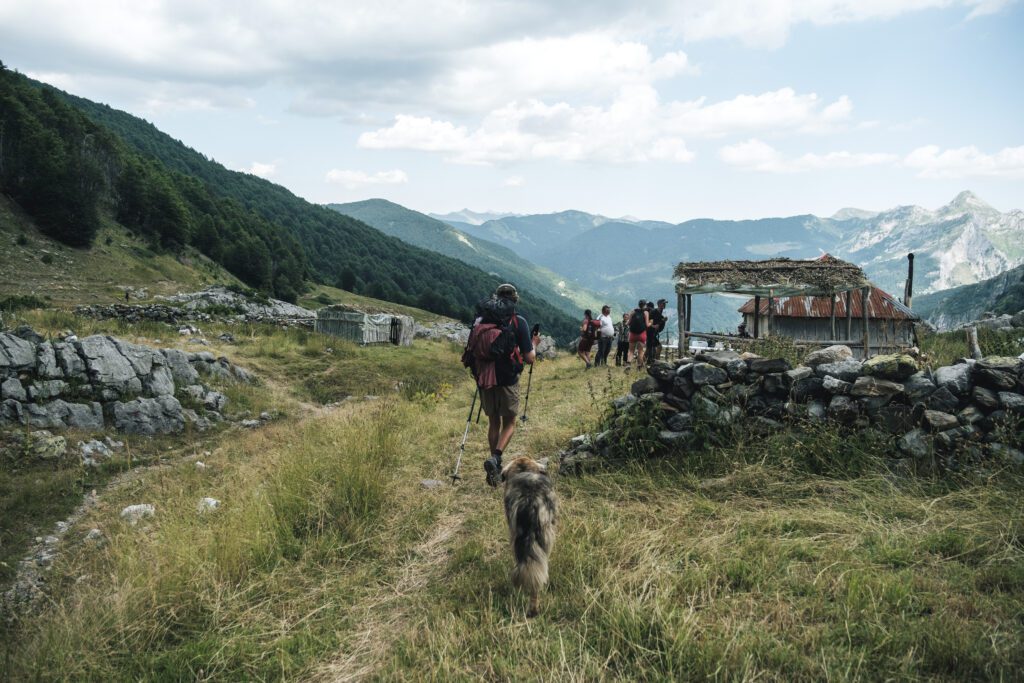
Intermediate hikers enjoy the sweet spot of Balkan adventure travel. Multi-day hut-to-hut treks provide immersive experiences without requiring camping gear. The Peaks of the Balkans circuit takes 10 to 14 days, crossing between Albania, Kosovo, and Montenegro through spectacular high-altitude terrain. Daily stages average 15 to 20 kilometers with significant elevation changes, challenging your fitness while remaining achievable for anyone in decent shape. Support services through self-guided hiking tours handle logistics like accommodation booking and luggage transfer.
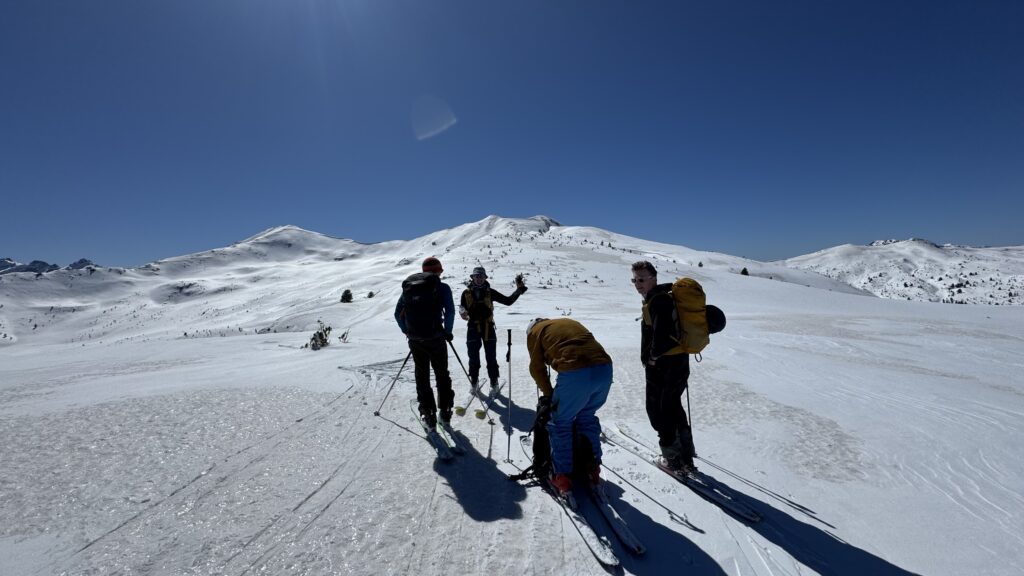
Advanced adventurers find technical challenges and remote routes that test navigation and wilderness skills. Off-trail scrambles to summit peaks, winter mountaineering, and extended wilderness camping push experienced hikers beyond their comfort zones. Local guides with intimate terrain knowledge enhance safety and unlock hidden locations tourists never discover.
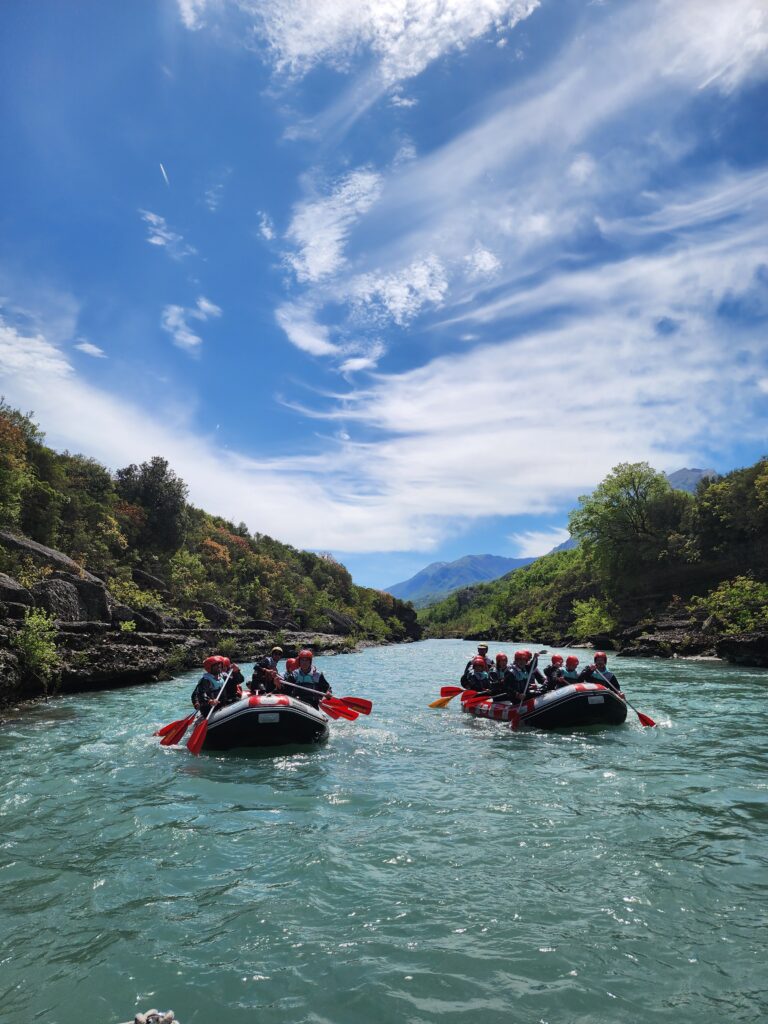
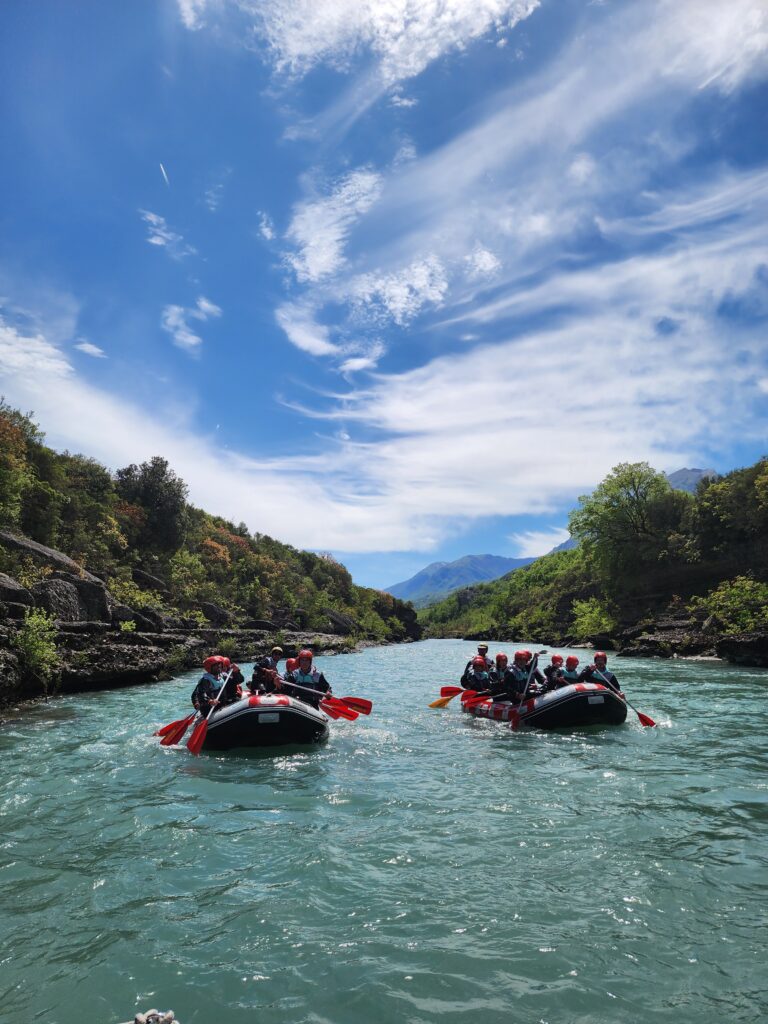
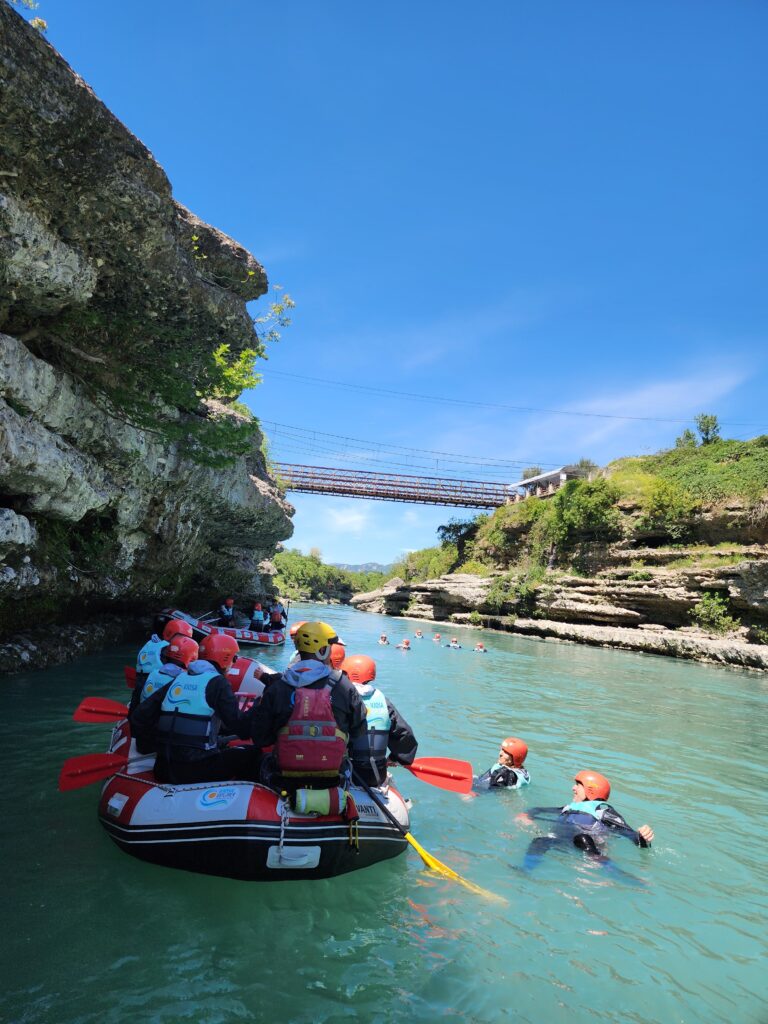
Beyond hiking, the region offers diverse outdoor pursuits. Whitewater rafting on the Tara River navigates Europe’s deepest canyon. Mountain biking trails wind through forests and connect remote villages. Rock climbing routes scale limestone cliffs with grades from beginner to expert. Via ferrata installations provide protected climbing experiences with spectacular exposure.
Activity difficulty comparison:
| Activity type | Skill level required | Typical duration | Best season |
|---|---|---|---|
| Valley day hikes | Beginner | 3-5 hours | May-October |
| Village-to-village treks | Intermediate | 5-8 hours daily | June-September |
| Multi-day circuits | Intermediate-Advanced | 7-14 days | July-September |
| Peak ascents | Advanced | Full day | July-August |
| Winter mountaineering | Expert | Variable | January-March |
What makes Balkan hiking unique:
- Trails pass through working villages where traditional life continues
- Accommodation in family-run guesthouses instead of commercial hotels
- Minimal permit requirements and bureaucracy compared to other regions
- Significantly lower costs than Western European alternatives
- Genuine wilderness areas hours from the nearest road
Pro Tip: Book guesthouse accommodation at least two weeks ahead during July and August. Many mountain villages have limited lodging capacity, and the best family-run guesthouses fill early. Shoulder season (June and September) offers more flexibility and better availability.
The cultural and authentic experience of adventure travel in the Balkans
Balkan adventure travel transcends physical activity to become cultural immersion. Mountain communities maintain traditions largely unchanged for generations, and visitors experience this authenticity firsthand. Unlike commercialized Alpine villages where tourism dominates the economy, Balkan mountain settlements remain working agricultural communities where hiking tourism supplements rather than replaces traditional livelihoods.
Staying in local guesthouses means sharing meals with families who’ve lived in these mountains for centuries. Hosts serve food grown in their gardens and raised on their land. Conversations over dinner reveal perspectives on mountain life, regional history, and the challenges of maintaining communities in remote areas. Children play in courtyards while grandparents tend gardens, creating scenes that feel transported from another era.
This remoteness preserves both natural and cultural landscapes. Villages accessible only by foot or rough mountain roads maintain architectural traditions using local stone and wood. Ancient stone towers, traditional houses with wooden balconies, and centuries-old churches dot the landscape. Social customs around hospitality, community cooperation, and connection to land remain strong. Visitors aren’t tourists to be served but guests to be welcomed, a subtle but profound distinction that transforms the travel experience.
Working with local guides adds depth to every hike. These guides grew up in the mountains, learning trails from parents and grandparents. They identify plants, track wildlife, explain geological features, and share stories that bring the landscape alive. Their knowledge extends beyond navigation to include weather patterns, safe water sources, and the best viewpoints for sunrise or sunset. This expertise proves invaluable when weather changes or routes require adjustment.
The welcoming spirit of mountain communities stands out consistently in visitor accounts:
“We arrived at the guesthouse exhausted after a challenging day crossing the pass. Within minutes, we were seated at the family table sharing fresh bread, cheese, and stories. The grandmother spoke no English, but her warmth and the food she prepared communicated everything important. That evening reminded us why we travel, why we seek these remote places where human connection still means something.”
Cultural elements that enrich Balkan adventures:
- Traditional music and dance performances in village celebrations
- Craft demonstrations including wool spinning, cheese making, and woodworking
- Religious and cultural festivals tied to agricultural cycles
- Oral history traditions preserving regional stories and legends
- Architectural heritage showcasing centuries of mountain adaptation
The contrast with mass-market tourism becomes apparent immediately. No souvenir shops line village streets. No crowds queue for selfies at viewpoints. No infrastructure intrudes on the natural setting. This authenticity attracts travelers seeking genuine experiences over Instagram moments, depth over superficiality, and connection over consumption.
Planning your Balkan adventure: when to go and what to know
Timing your Balkan adventure correctly makes the difference between struggling through snow or mud and enjoying perfect trail conditions. The best time to visit Balkans spans late May through early October, with specific months offering distinct advantages. Late spring brings wildflowers and flowing streams but potentially lingering snow at high passes. Summer provides reliable weather and full accommodation availability but warmer temperatures and peak crowds. Early autumn offers stable conditions, comfortable temperatures, and autumn colors but shorter days and some closed guesthouses.
Seasonal considerations for planning:
- Research your specific route’s elevation profile. High-altitude trails above 2,000 meters may not clear of snow until late June or early July.
- Check accommodation opening dates. Many mountain guesthouses operate only June through September, with exact dates varying by location and snowpack.
- Consider your heat tolerance. July and August bring temperatures exceeding 30°C (86°F) at lower elevations, though mountains remain cooler.
- Factor in regional festivals and holidays. Local celebrations offer cultural experiences but may affect accommodation availability.
- Build flexibility into your itinerary. Mountain weather changes rapidly, and having extra days allows for weather delays or rest.
| Temperature range | Trail conditions | Accommodation | Crowds | |
|---|---|---|---|---|
| Late May-June | 15-25°C (59-77°F) | Some high snow | Opening | Light |
| July-August | 20-30°C (68-86°F) | Excellent | Full capacity | Moderate |
| September | 15-25°C (59-77°F) | Excellent | Closing | Light |
| October | 10-20°C (50-68°F) | Variable | Limited | Very light |
Pro Tip: Download offline maps for your entire route before leaving areas with reliable internet. Cell coverage remains spotty in mountain areas, and GPS-enabled offline maps work perfectly for navigation without data connection. Apps like Maps.me or Gaia GPS provide detailed trail information that functions completely offline.
Explore peaksofthebalkans.info for your next adventure
Ready to transform your adventure travel dreams into reality? Peaksofthebalkans.info provides everything you need to plan and execute an unforgettable Balkan hiking experience. Our comprehensive Peaks of the Balkans hiking tours guide you through route options, accommodation networks, and logistics that make multi-day treks achievable for any fitness level. Whether you’re planning a family adventure or a challenging solo trek, you’ll find detailed trail descriptions, elevation profiles, and practical advice from experienced hikers who know these mountains intimately.
Families discover safe, engaging options through our curated family-friendly hiking routes that balance adventure with appropriate challenge levels for children. Navigate border crossings and national park requirements confidently with our updated permits guide 2026, ensuring smooth travel without bureaucratic surprises. Start planning today and join the growing community of adventurers discovering why the Balkans represent the future of authentic outdoor travel.
Frequently asked questions
Is the Balkans suitable for first-time adventure travelers?
Absolutely. The region offers excellent infrastructure for beginners, with well-marked trails, reliable accommodation networks, and support services that handle logistics. Self-guided hiking tours provide structure and safety while allowing independent exploration. Local guides offer additional support for those wanting expert companionship without sacrificing the adventure experience.
What is the best time of year for hiking in the Balkans?
Late spring through early autumn provides optimal conditions, with July and August offering the most reliable weather and full accommodation availability. June brings wildflowers and fewer crowds but possible high-altitude snow. September delivers comfortable temperatures and autumn colors with lighter traffic. The best time to visit Balkans depends on your priorities regarding weather, crowds, and specific trail conditions.
Are there hiking options suitable for families with children?
Yes, numerous trails cater specifically to families with appropriate distances, elevation gains, and safety features. Routes connect villages through valleys rather than crossing high passes, offering cultural experiences alongside outdoor adventure. The family-friendly hiking routes include detailed information on difficulty levels, accommodation options, and activities that keep children engaged throughout multi-day treks.
How physically fit do I need to be for Balkan hiking?
Fitness requirements vary dramatically by route. Gentle valley walks require only basic mobility and moderate endurance. Multi-day circuits demand good cardiovascular fitness and leg strength for sustained elevation gain and loss. Most intermediate trails suit anyone who exercises regularly and can comfortably walk 15 kilometers with a daypack. Training with weighted packs on hills or stairs prepares you well for mountain conditions.
What makes Balkan adventure travel different from other European destinations?
The Balkans combine spectacular natural beauty with authentic cultural immersion and significantly fewer crowds than Western European alternatives. You’ll experience genuine hospitality in family-run guesthouses, hike through working villages maintaining traditional lifestyles, and explore wilderness areas that feel truly remote. Lower costs and minimal permit bureaucracy make the region accessible while preserving the sense of discovery that mass tourism eliminates elsewhere.
Recommended
- Discover the Peaks of the Balkans in Dutch:
- Self-guided Peaks of the Balkans hiking tours
- Peaks of the Balkans, Trail, Hiking Tours
- When is preferable to go exploring Peaks of the Balkans
- Balkan Natural Adventure your partner for Balkan Trips
 English
  German
  French
  Dutch
Dutch  Hebrew